Autonomous vehicles have the potential to give disabled people a new level of independence. Trials have been taking place for many years. And we’re now well on the road to a future where this car technology could enhance our lives.
Understanding this technology now can help build awareness and confidence as the future of driving changes, writes Mark Smyth.
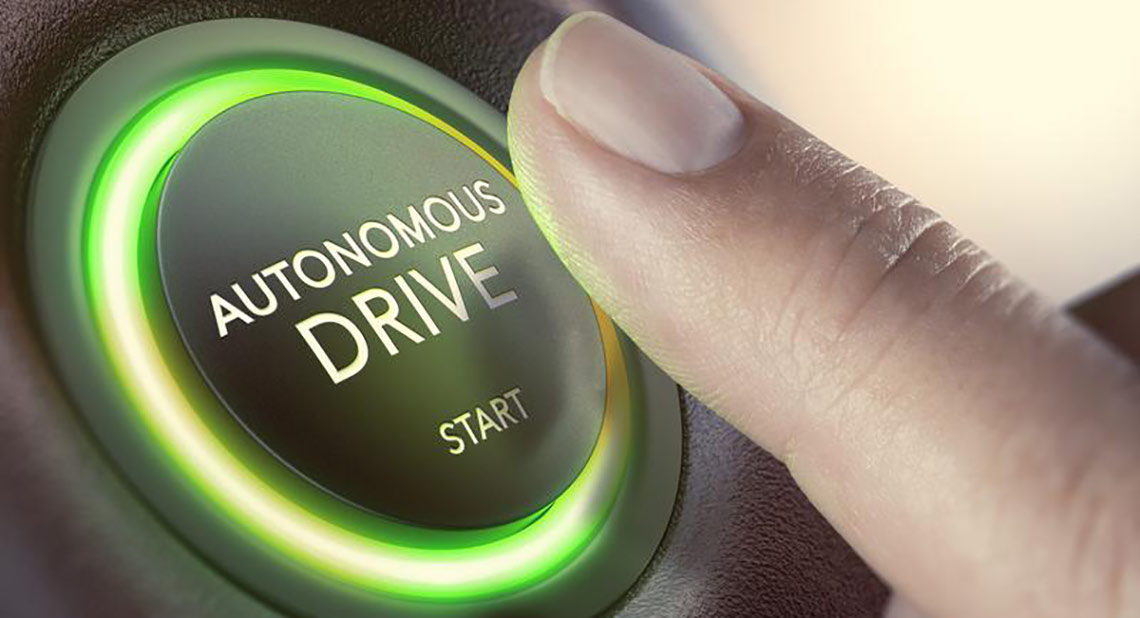
Autonomous vehicles, sometimes called self-driving cars or driverless cars, have been talked about for years. We have seen them in films and TV series for decades. But over the past 10 years, they have started to move closer to reality.
China and some US states are allowing models like those from Tesla to drive themselves. Most other car makers, including Ford, also offer varying levels of autonomous driving, where regulations allow. These autonomous vehicle companies and autonomous vehicle manufacturers are helping to shape the future of driving.
Fully autonomous vehicles are not yet available in the UK. But in some ways, we’re already used to parts of this technology through systems like cruise control. Active Cruise Control is available in many cars on the Motability Scheme. It controls your speed in relation to the vehicles around you. It manages acceleration and braking. In some cases, it can help with steering too.
Levels of autonomous vehicles and driver assistance systems
More driver assistance systems in cars have given us lane departure assistance. This helps stop a driver from crossing lines in the road. We also have blind spot detection to help keep the people around our cars safer. Cameras can also detect sudden braking from a car in front and automatically apply the brakes in the car you are driving.
These are all different levels of autonomous vehicles. But to reach the point where we have fully autonomous cars, with no human driver at all, requires a huge amount of technology.
That technology is already being used in many parts of the world. Drivers in China are already used to letting their car do the driving. This can remove the stress of being in control in rush-hour traffic or on a long journey.
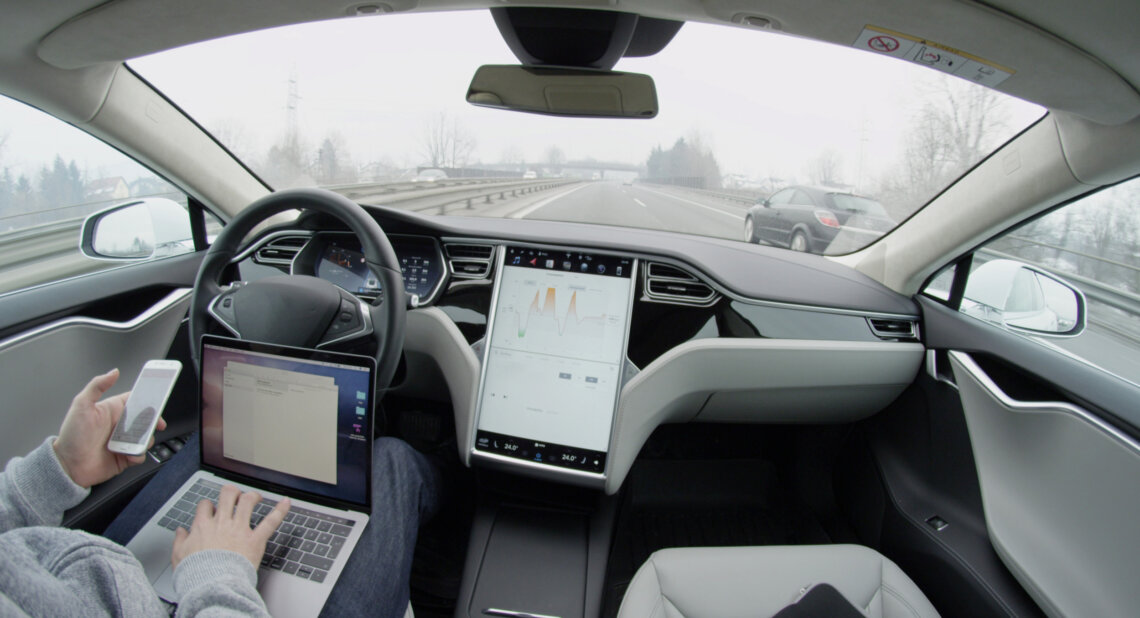
Some states in the US also allow hands-off driving. This is where you remove your hands from the wheel and let the car take control. Usually, the human driver needs to be ready to take back control if needed.
Automated cars UK trials and what could happen next
Trials of automated cars in the UK have been taking place since 2015. Now, the government is aiming to allow commercial ride-hailing services, similar to Uber, to use autonomous cars as soon as 2026.
This technology could be great news for disabled people. It has the potential to increase independence for people who are unable to drive. That is why the Motability Scheme is keeping close to new car technologies, so we can understand how they might support customers in the future. But how does it work?
Car technologies behind self-driving cars
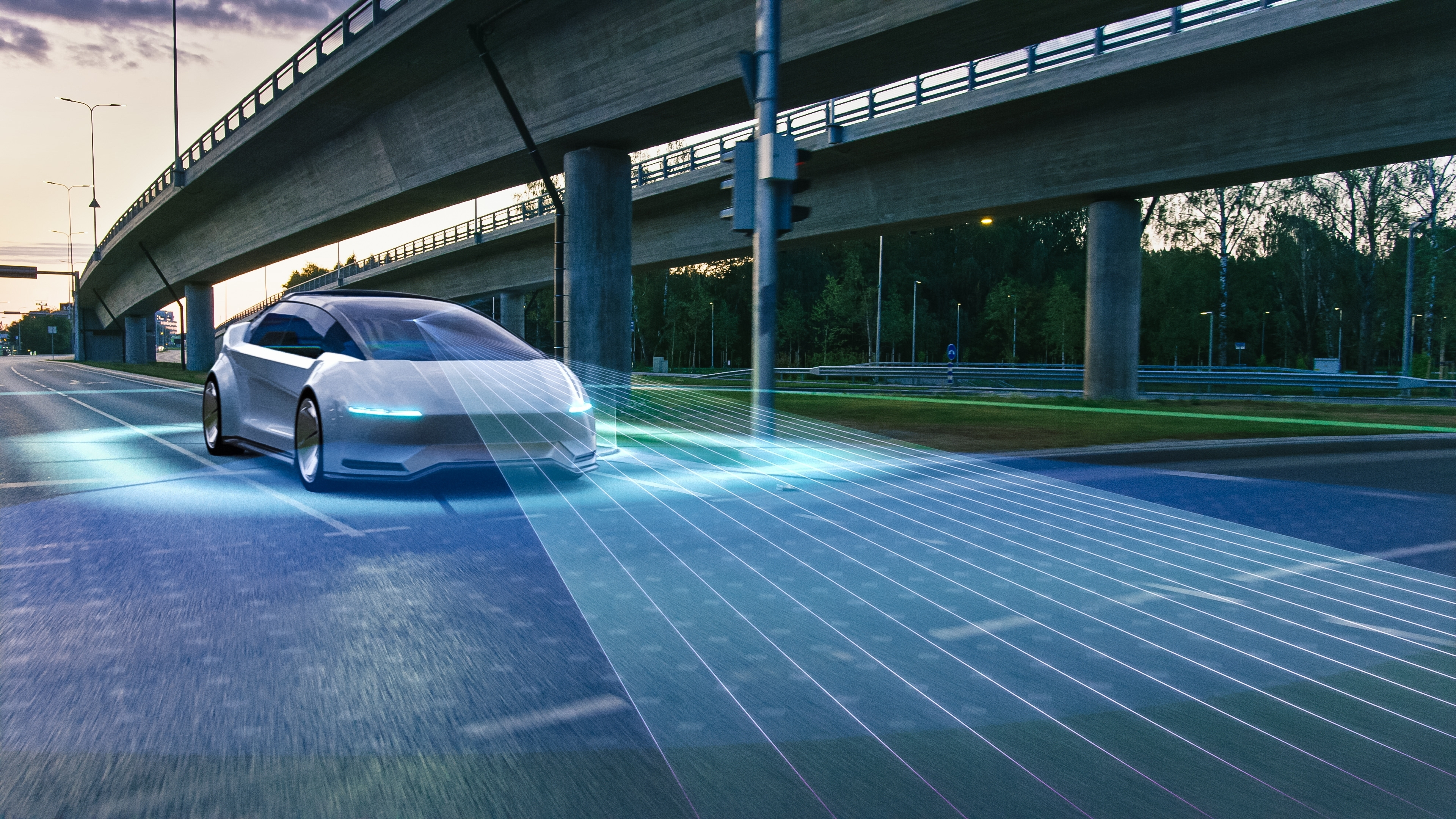
Autonomous vehicles use a vast range of car technologies. This includes cameras, sensors, radar and thermal imaging. These help autonomous vehicles see the world around them. In many cases, they can see further and in greater detail than humans can.
Computers usually produce results based on what a human has asked them to do. But with autonomous vehicles, they also need to think like us. This means analysing every scenario and predicting every possible outcome, much like we were all taught to do in our driving test.
For a computer, this can be harder because it relies on logic. The idea that someone might step into the road in front of the car is clearly illogical. But through innovations like artificial intelligence, virtual reality, augmented reality and computer gaming systems, the brains inside autonomous vehicles are now thinking more like us, but without our human emotions.
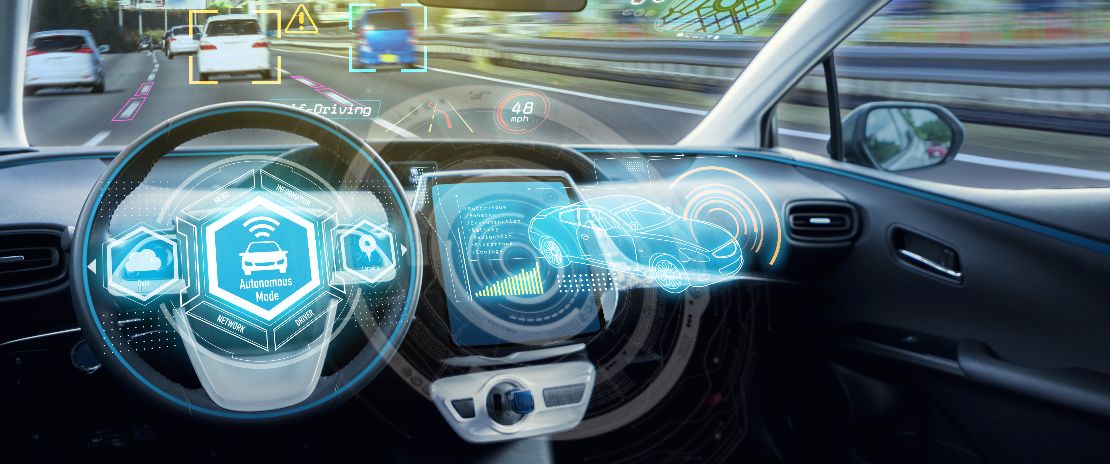
Again, some of these systems are already used in many cars today. This includes augmented reality. This system overlays information onto a display in the car, either on the central touchscreen or a head-up display, where details are projected onto the windscreen so they appear to be ahead of you.
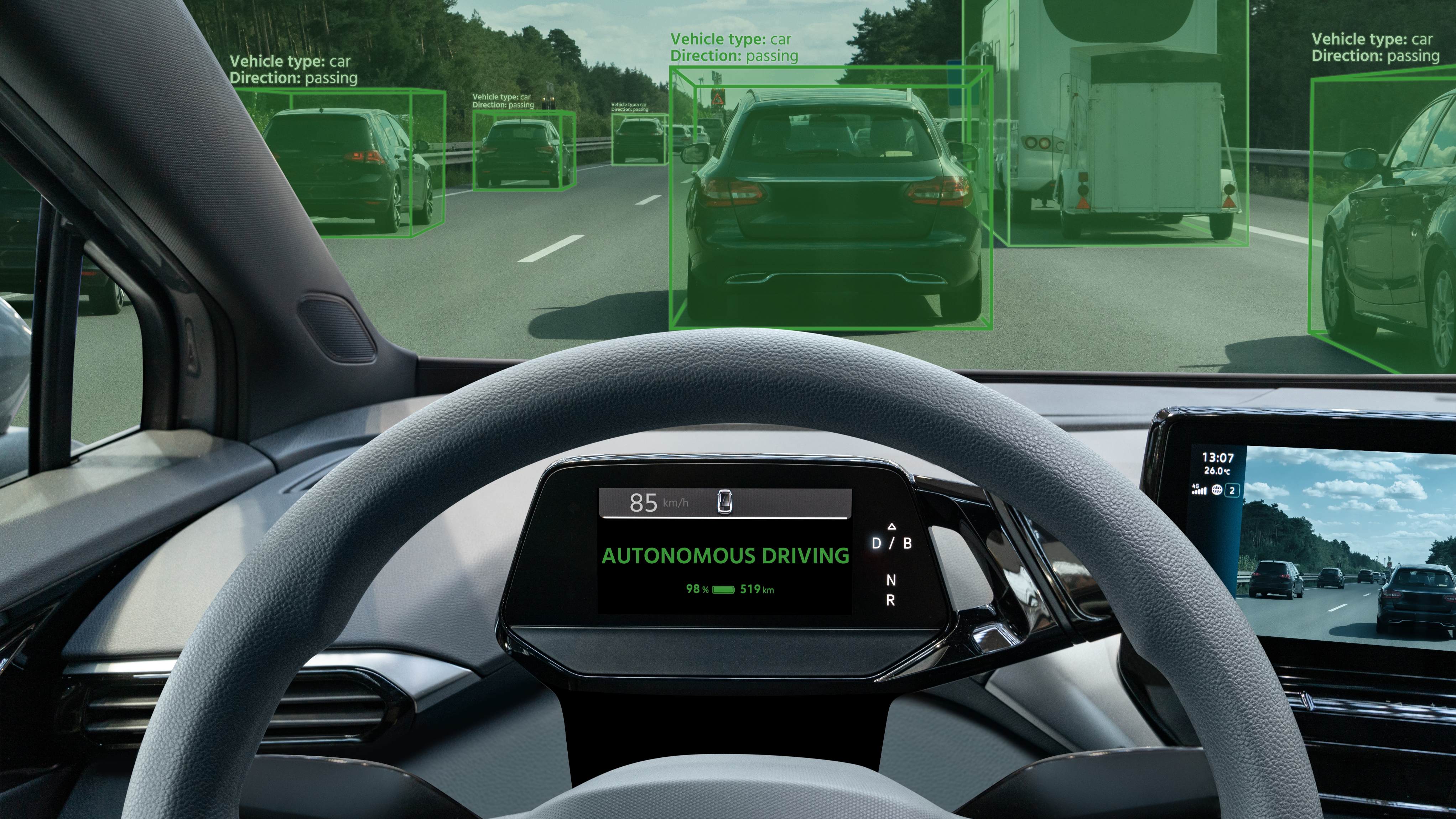
At first, augmented reality was used to show things like navigation instructions, upcoming turns or objects in the road. More advanced versions can show you information about landmarks or businesses you are passing.
In a world of autonomous vehicles, where the car is driving for you, these displays could even take up the whole windscreen. They could project information or even let you have a video call with loved ones.
Autonomous vehicles pros and cons
There are still lots of hurdles to overcome before we reach that point. Legal questions need to be answered. For example, who is responsible if something goes wrong? Is it the car, the human in the car or even the company that made the car?
It is also not just about the technology in the car. Infrastructure matters too. Government, councils and private businesses will need to invest significant amounts in technology that can talk to connected cars. This would keep cars constantly updated, let vehicles communicate with each other and feed back large amounts of information.
Autonomous vehicles facts for the UK
There are over 36 million cars on UK roads today. So do not expect to be surrounded by cars that can drive themselves anytime soon.
It will take decades. But ultimately, autonomous vehicles have the potential to make our roads safer. Computer brains can think faster than us. Communication between vehicles and infrastructure could help prevent accidents. And autonomous vehicles could help us use our very busy roads more efficiently.
Research conducted early in 2025 shows that there remains considerable skepticism in the UK around autonomous vehicles. But the perception of them is changing.
Autonomous vehicles promise more independence for disabled people. The Motability Scheme is actively monitoring the technology and helping with its development, including how it could support future mobility needs and specialist accessible travel.
For people who are unable to enjoy the freedom of going wherever and whenever they want in their own car, autonomous vehicles could open up a world of independence.
With the UK government showing its commitment to this technology through the Automated Vehicles Act and focusing on safety on our roads, that independence could soon be pulling up outside your door.
Find out more about the Motability Scheme
More than 890,000 customers use the Scheme to stay mobile. Customers receive a full package. Your insurance, servicing and breakdown cover are all included.
If you choose a car or a Wheelchair Accessible Vehicle (WAV), we’ll include your MOTs too. And if you go for a scooter or powered wheelchair, we’ll take care of the maintenance instead.
Related articles
New car brands on the Motability Scheme in 2026: what you need to know
What’s that car sound? Common vehicle noises explained
What is a digital car handbook and what it can help with
About the author
Mark Smyth has been a motoring journalist and editor for more than two decades. Contributing to titles including Autocar, Car Design News, Octane, Oracle Time and The Telegraph.
Image credits: Shutterstock