We look at five inventors who invented exceptional things to help disabled people get by in the world, both in and out of their vehicles. All of them spotted a gap in people’s needs and pioneered something new and helpful.
Welcome to our series about famous people in history who passionately advocated for disabled people and their rights.
This time, we’ll look at people who invented groundbreaking things to help disabled people. You might already have heard of Louis Braille. The others might be new to you.
- Louis Braille: the dot code developer
- George Klein: Canada’s prolific creator
- Alan Ruprecht: the drive master
- Ralph Braun: the mobility mogul
- Clifford Wolfe: the conversion king
Louis Braille: the dot code developer
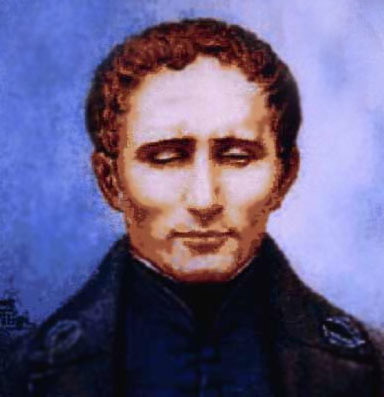
Braille created a language for blind people, made up of raised dots you feel with your fingertips. He was blinded at the age of three after an accident with a sharp tool and an infection.
He went to one of the first blind schools in the world, in Paris. There, he discovered ‘night writing’, which the French army used to send messages in darkness.
Braille saw this as an opportunity. He trimmed the 12 dots in night writing down to six and found 63 ways to use them.
His code was not fully introduced until two years after his death, spurred on by his blind pupils. We use it worldwide today, in languages, symbols, maths and music.
You can watch a short dramatised of Louis’ life, called Young Heroes: Louis Braille. It’s made by the Described and Captioned Media Program.
His legacy lives on in accessible formats that help Scheme customers today, from printed comms to tactile buttons in adapted vehicles.
George Klein: Canada’s prolific creator
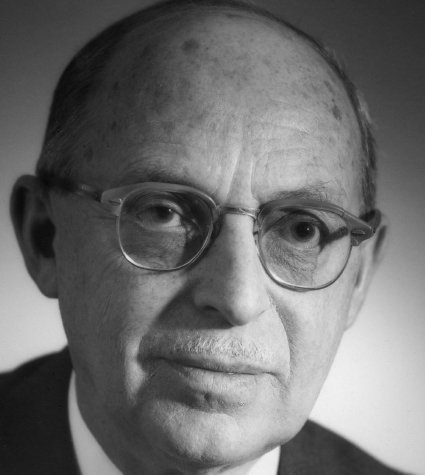
Klein was one of Canada’s most productive inventors. His father was a watch and jewellery maker, which sparked his interest in mechanics.
Klein showed talent in the workshop. This got him into The University of Toronto, where he learned skills that would shape his career.
He worked with the National Research Council of Canada for 40 years. While he was there, he invented the electric wheelchair.
He took the flawed concept of two earlier designers and created a reliable, lasting version.
The powered wheelchairs on the Motability Scheme today would not be the same without him.
Alan Ruprecht: the drive master
Ruprecht survived polio in 1952 and quickly realised he could not do much without the freedom of driving.
He found the hand controls of his time difficult to use, poorly built and expensive. So he founded his own company: Drive-Master.
Ruprecht used his engineering background to create push-pull controls, so he could accelerate and brake by hand. He created many different types of adaptations with his family over the years.
We still use the principles of his designs in the adaptations we have on the Motability Scheme.
Disabled people can drive in a simpler and more enjoyable way, thanks to Ruprecht’s creativity and determination.
Thanks to people like Ruprecht, many of our customers enjoy adapted vehicles and powered wheelchairs. Find out more about what’s available.
Ralph Braun: the mobility mogul
Braun was diagnosed with muscular dystrophy at just six years old. This meant he could not use his limbs and move around like other children his age.
He started using a wheelchair at 14 but dropped out of school after a year because of mobility issues. Then he started inventing ways to keep his independence.
As an adult, Braun engineered the world’s first motorised scooter. And designed the world’s first wheelchair lift in an old postal jeep.
He created his own company, BraunAbility, which became the leading manufacturer of mobility products in the world. You can get BraunAbility adaptations on the Scheme, like the Carony system pictured below.
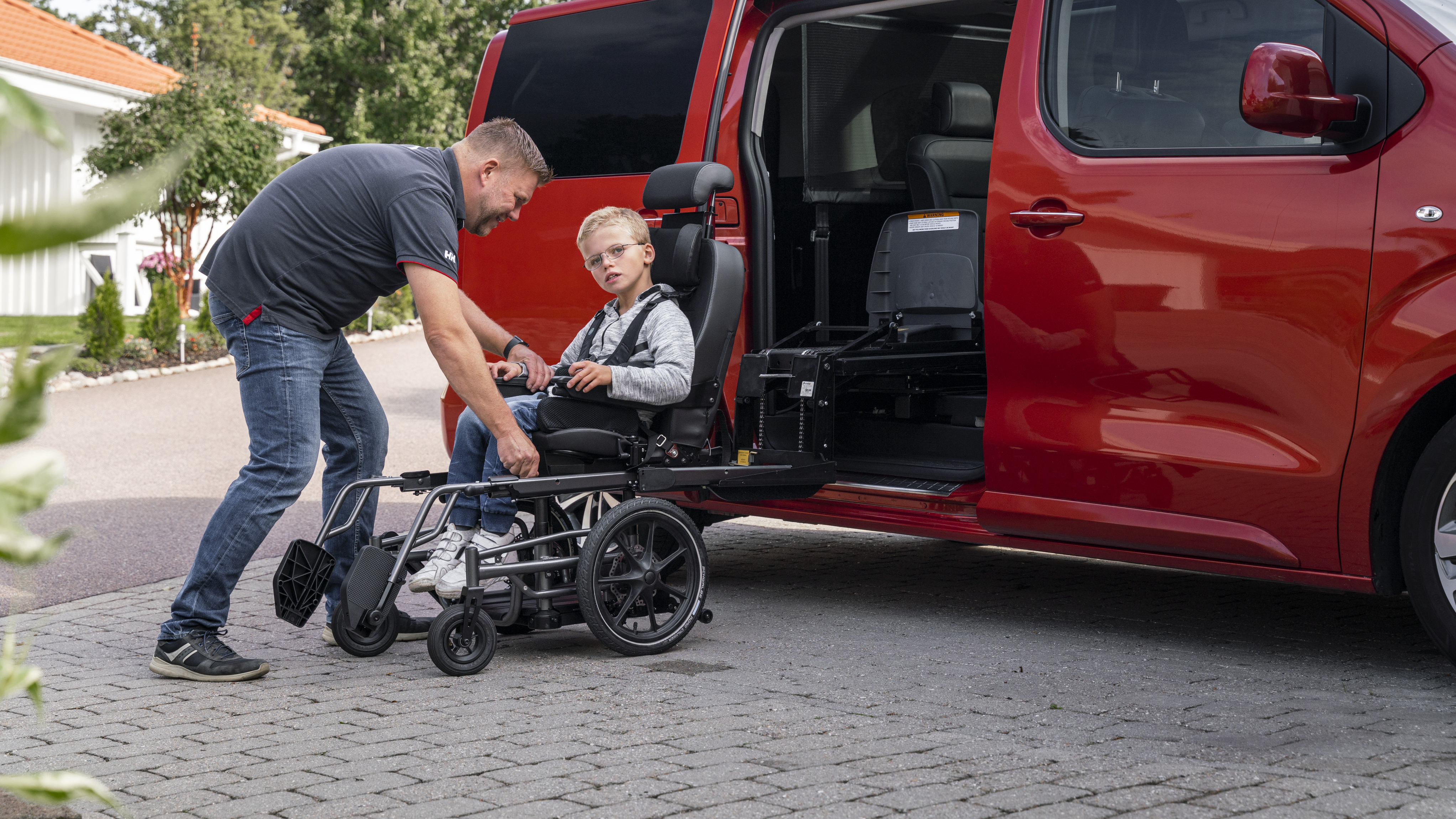
The scale and impact he had on disabled people’s mobility is astounding.
Clifford Wolfe: the conversion king
In 1983 Wolfe’s daughter Elaine dove into the shallow end of a pool and broke her neck. She became a quadriplegic.
She told her dad, Clifford Wolfe, about her time-consuming journey to work in bulky vans with raised roofs. “There was just no alternative,” she said.
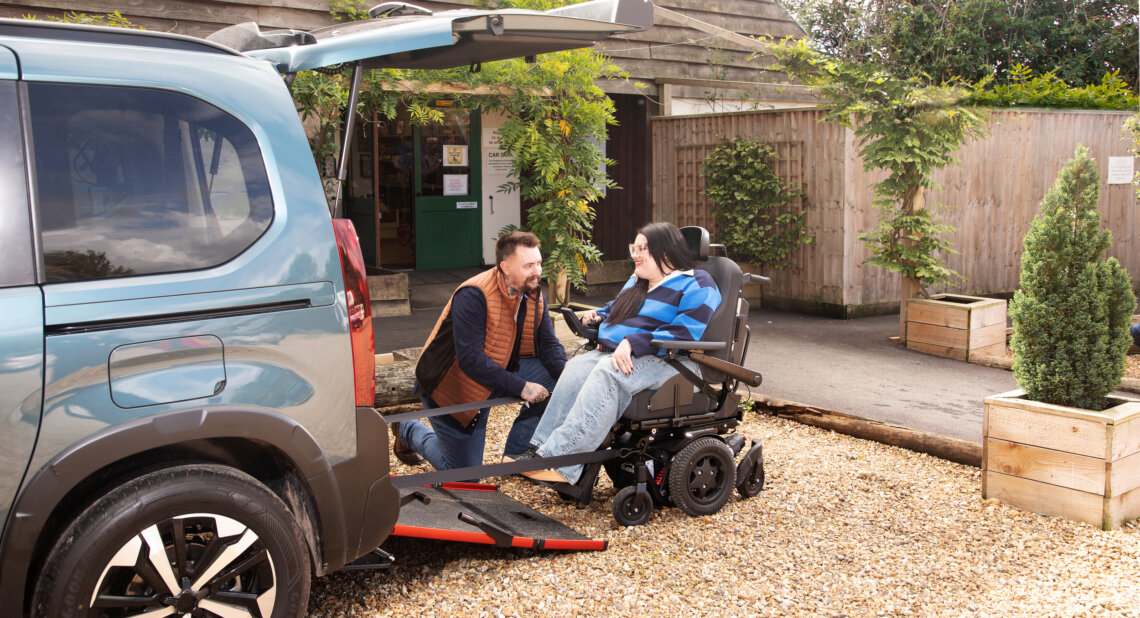
Clifford modified a Chevy Blazer SUV to include easy wheelchair access for his daughter. Elaine could hold a magnet to the taillight to activate the door and lift.
She found driving it “absolutely terrifying,” but her dad worked with her until she was comfortable. “He gave me the gift of freedom,” she said.
He called it the ‘Elaine Anne Lift System’. His work helped make Wheelchair Accessible Vehicles (WAVs) what they are today.
Plenty more to tell you about
Next time, we’ll talk to you about five people who pushed hard for inclusive education and support. That includes the two iconic women who brought guide dogs to the UK.
Check out the first article in our series of inspiring disability advocates.
Get more information about the Scheme
We’ve helped over 860,000 customers keep their independence.
You’ll get a full package through the Motability Scheme. We’ll cover your insurance, servicing and breakdown. If you choose a car or Wheelchair Accessible Vehicle (WAV), we’ll also cover your MOTs. If you choose a scooter or powered wheelchair, we’ll cover your maintenance instead.