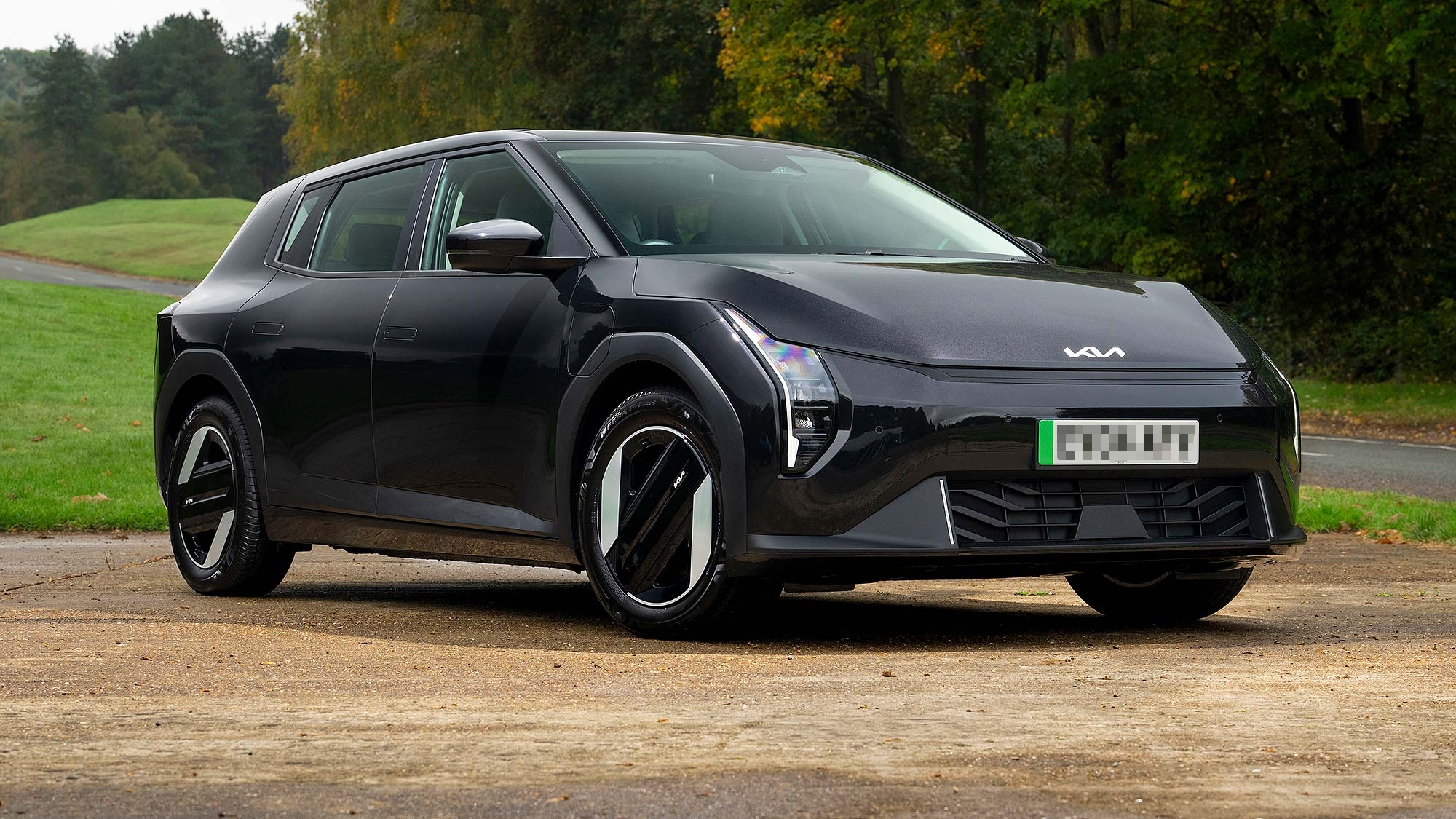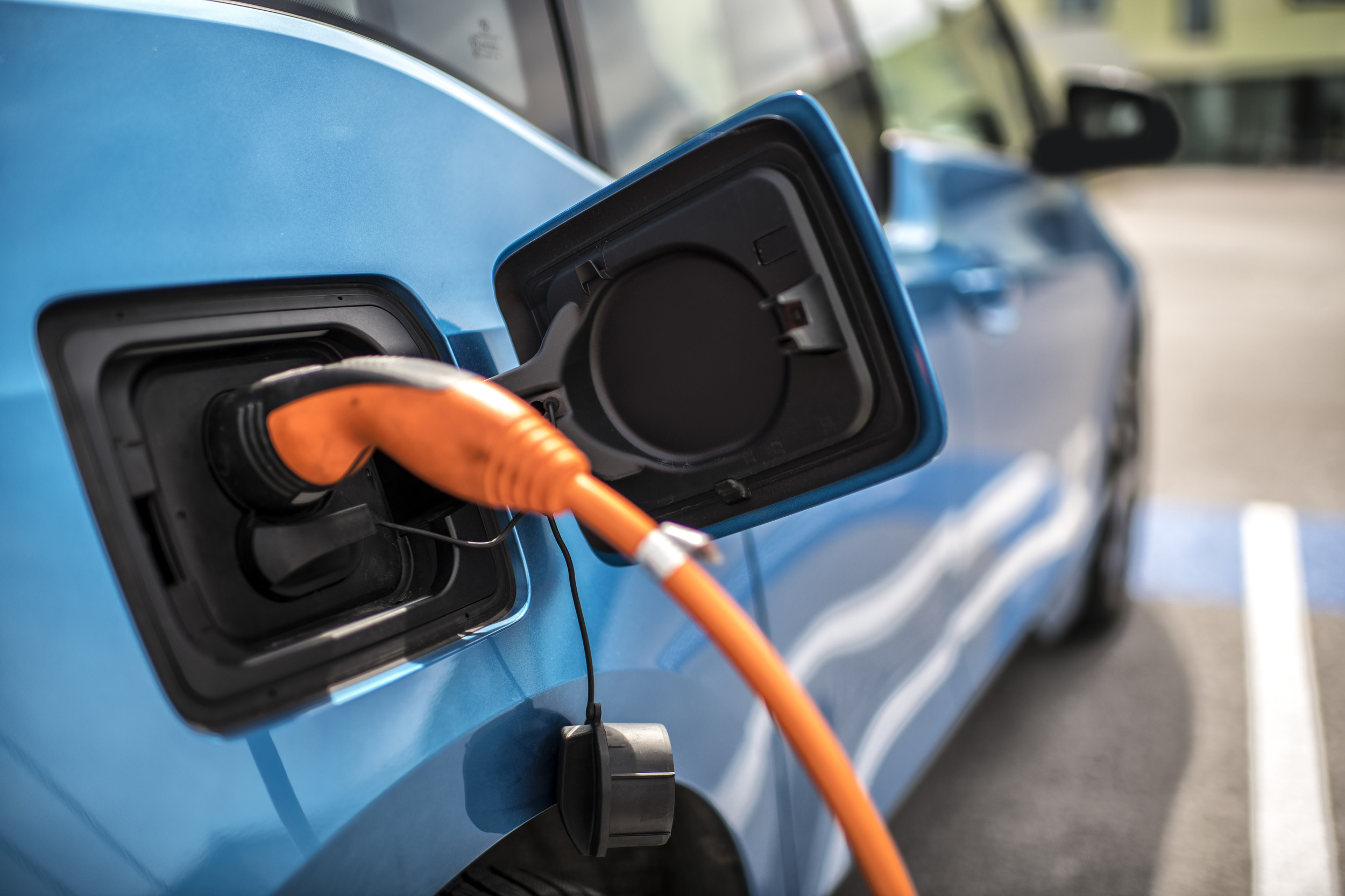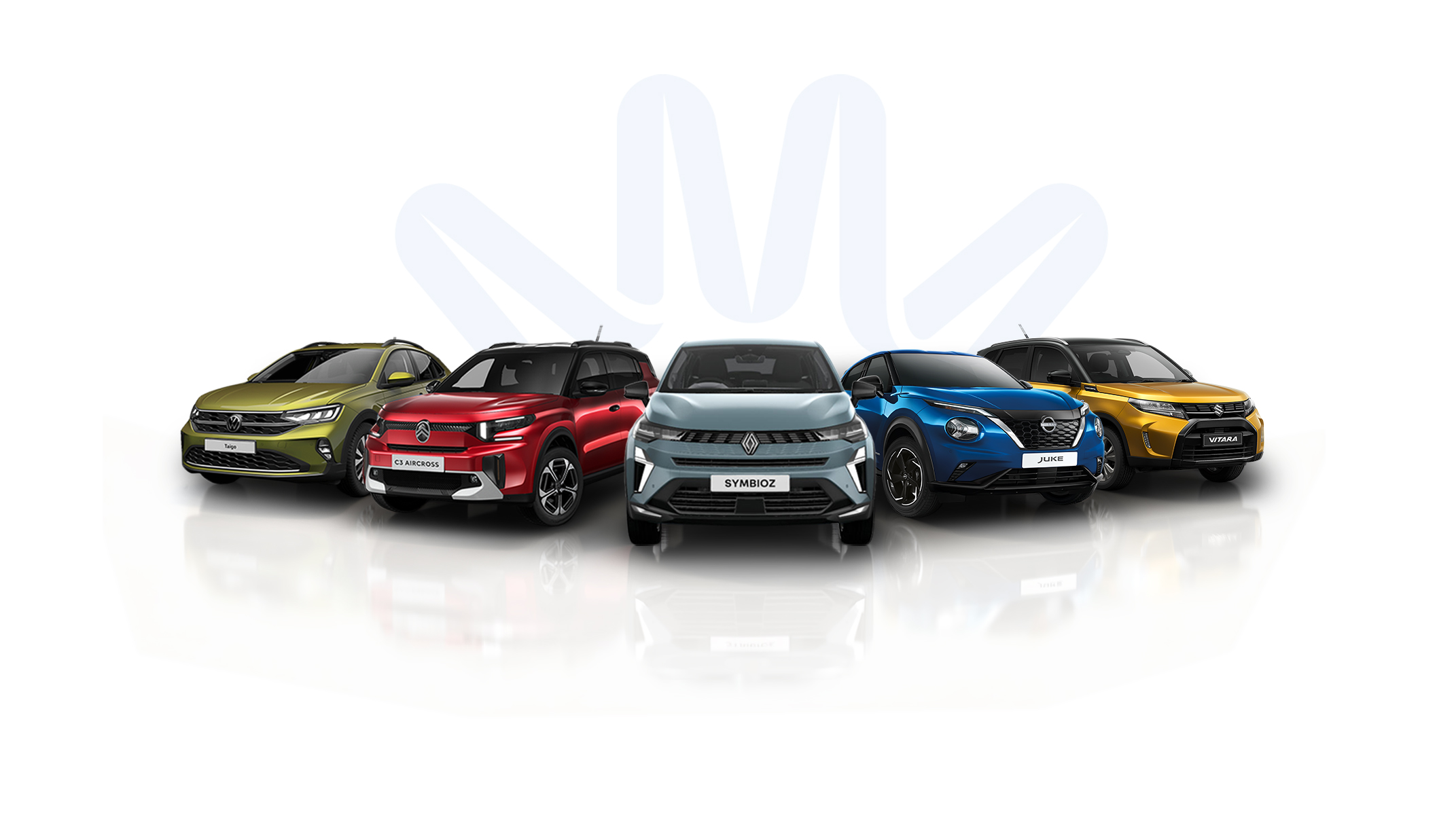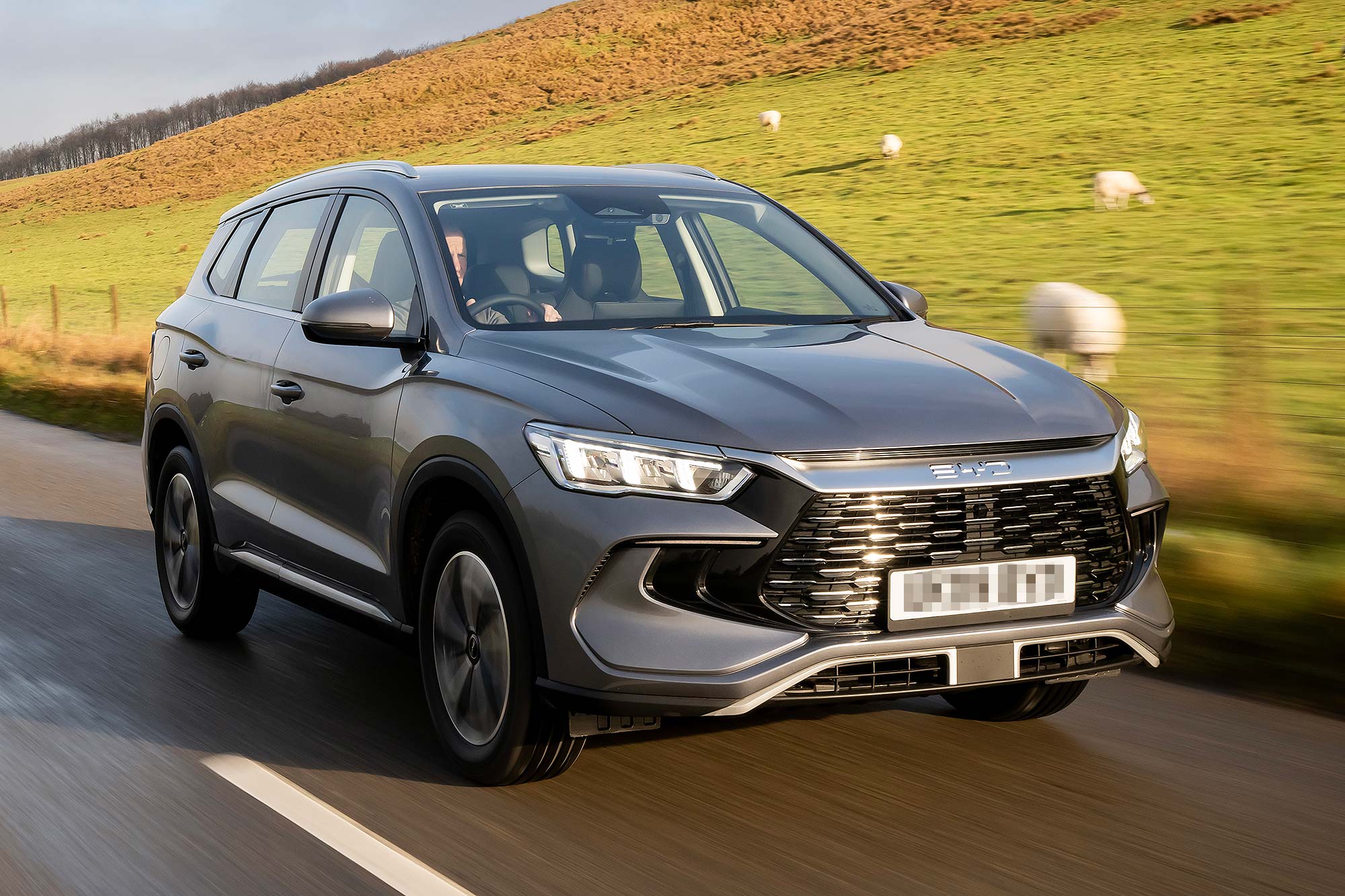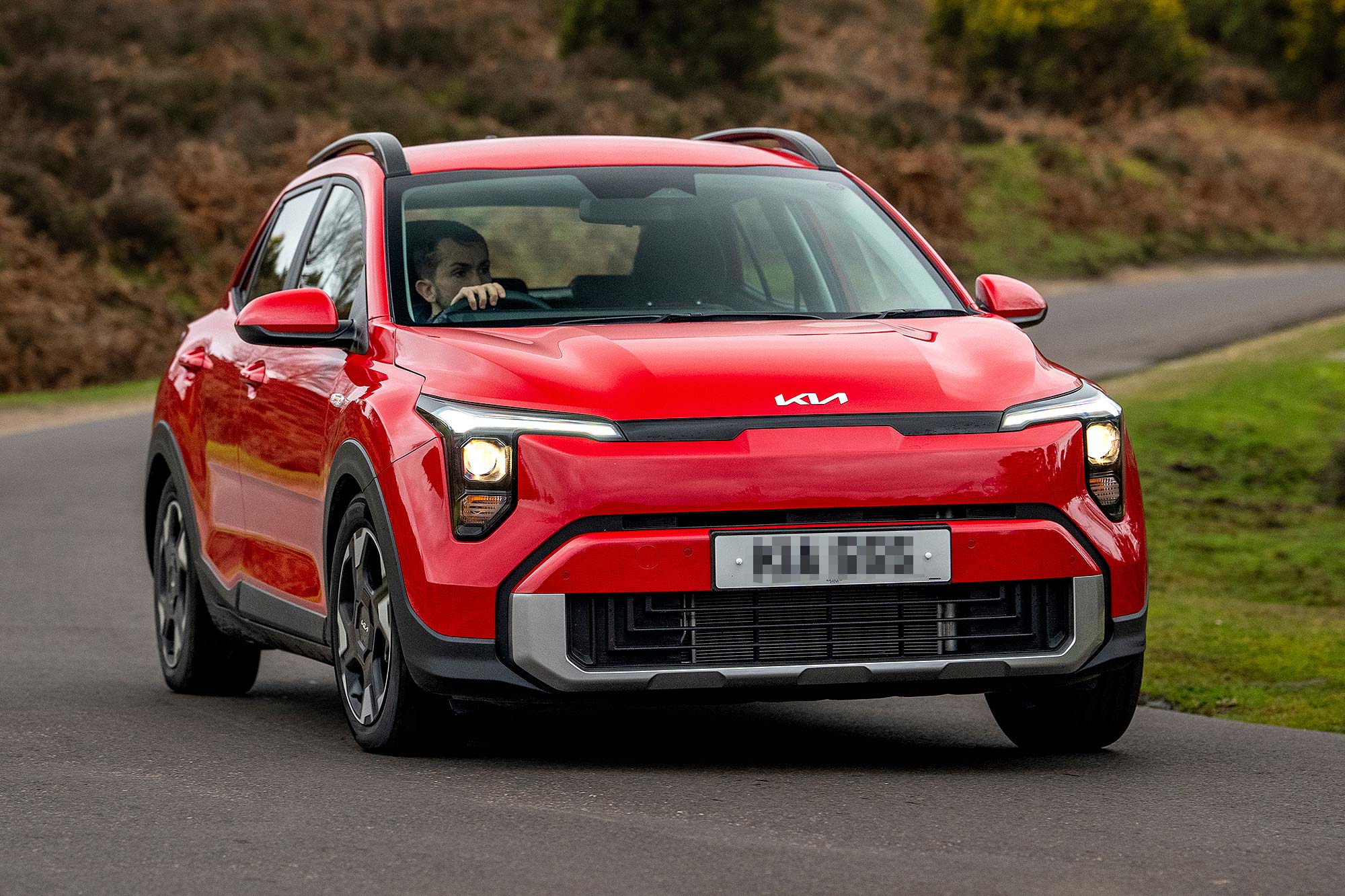
How far electric vehicles (EVs) can go has come a long way. In 2010, the average range was a little under 80 miles per charge. In 2025, it reached almost 300 miles. Thanks to smart innovation, it’s always improving.
Wondering which type of electric car has the longest range? Here’s how the averages break down for 2025, according to Electrical Innovations:
-
Most budget EVs: travel around 150 to 250 miles, which makes them ideal for urban driving and commuting
-
Most mid-range EVs: travel 250 to 350 miles on a single charge, which is great for longer journeys
Next, let’s explore how electric car range is improving, and what’s driving these changes.
How quickly is electric car range improving?
EV range has risen significantly and steadily in recent years:
-
2022: 212 to 236 miles
-
2023: 236 miles
-
2024: 236 to 283 miles
-
2025: Almost 300 miles
In 2026, it’s very likely we’ll see the average range exceed 300 miles. In fact, there are plenty of EVs that already top over 400 miles.
Compare that with 10 years ago, in 2021, when the average was just 145 miles, and it’s easy to see how far EVs have come. That translates to far more range for cars on the Scheme.
Our EV with the longest range is the Hyundai Ioniq 6. It can go up to 338 miles on a full charge, making it a popular choice with our customers, as of December 2025.
Your EV range snapshot
Here’s how impressively range has improved, and how far EVs can go today:

The technology that allows range to improve used to be experimental. Now it’s a reliable part of everyday life. Imagine how dependable it will be in the future?
As electric mobility advances, we’ll make sure you have the best possible choice available on the Scheme. All with a variety of options to suit your journeys and needs.
What’s driving this growth?
It’s driven by bigger and better batteries, lighter EVs, and smart innovation.
Bigger and better batteries
The bigger the battery, the more energy it can store. This means greater range, lighter batteries, and more efficient EVs.
Density matters too. The higher the density, the more power the battery can store. In the last 30 years, battery density has more than quadrupled because of an evolving industry and manufacturer innovation.
Lighter EVs
Another way manufacturers are innovating is by trimming the weight of EVs themselves. Every kilogramme trimmed adds more miles to the range.
So, EV engineers are thinking smarter: they’re making material and structural choices to reduce the weight of their EVs. Innovation agency Creax says the results include lower costs, alongside improved performance and increased range.
Innovation thrives under pressure
Because of the Zero Emission Vehicle Mandate, manufacturers are innovating quicker and smarter than ever to keep up with the UK Government’s ever-rising targets. This is a good thing, because it spurs creativity.
Manufacturers are also investing in more sustainable technology to keep their long-term costs manageable and show they’re thinking green.
What this means for Motability Scheme customers
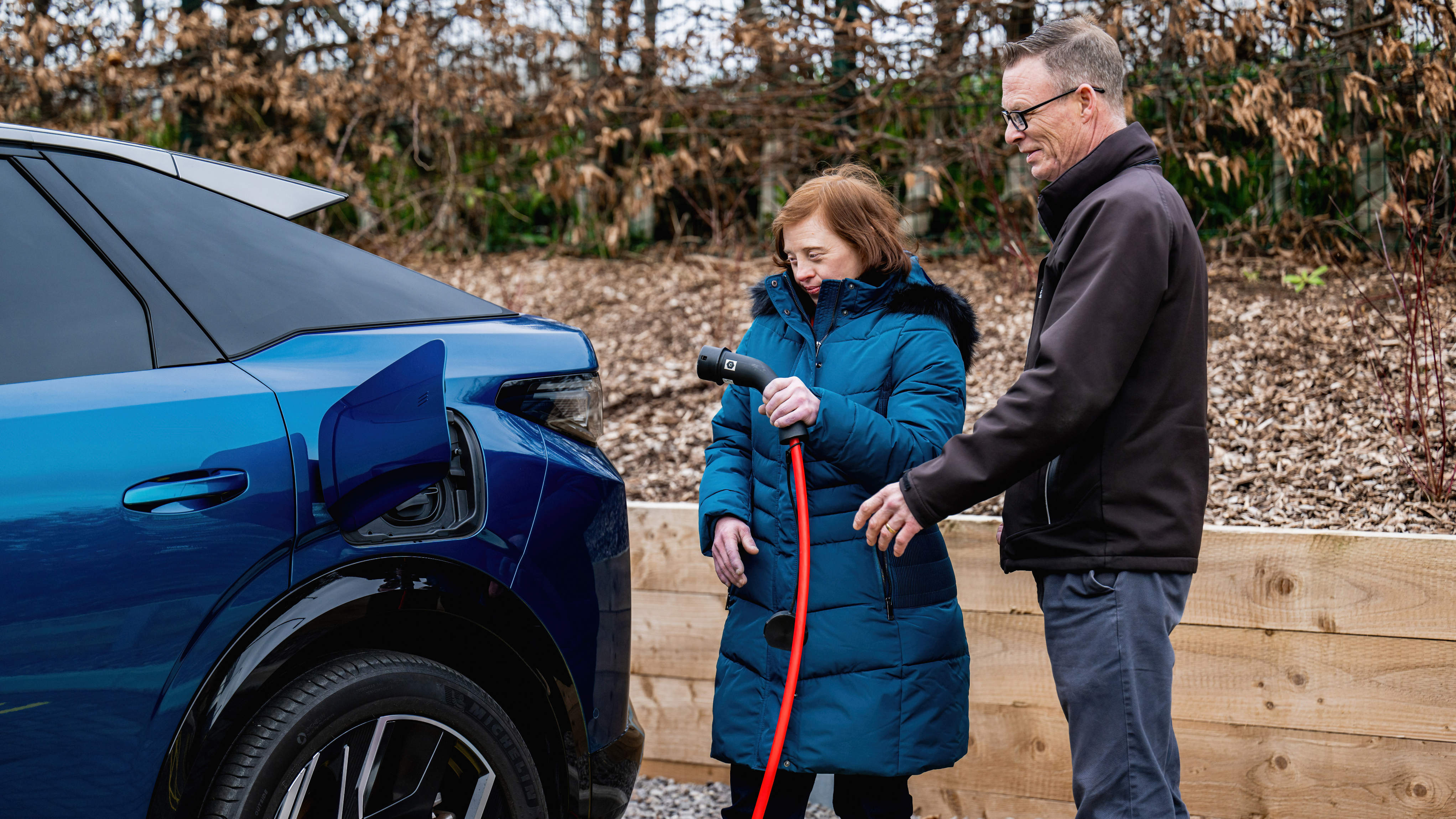
More range means driving electric is easier than ever. You’ll spend more time staying independent and confident on the road, enjoying a smooth and quiet drive, than looking for chargepoints or planning charging stops.
EVs are expanding on the Scheme as well. We have over 180 EVs for you to choose from, including eWAVs. We’re committed to keeping your EV choice high, as the UK shifts towards zero emissions. We also give you tips and guidance on how and where to charge.
You can get large, family EVs on the Scheme. These offer something a little bigger, to suit both your lifestyle and your loved ones.
Look forward to more innovation
The UK is on a one-way path to zero emissions. With that will come:
-
Continued and competitive innovation
-
Bigger and better batteries
-
Faster and more inclusive charging
-
A stronger and improved electric infrastructure
EVs are evolving quickly, and the Scheme is evolving alongside it. We’ll help you go on your electric journey with confidence, once you’re ready.
Sign up to our electric car series
It’s our exciting email series for anyone looking to learn more about electric cars.
We’ll explain how they work and show you what life with one could look like.
You’ll get one email each week, for eight weeks, including one email all about EV range.