You’ve chosen an electric vehicle (EV). Now you need to choose a charger that works for your day-to-day. Here’s what matters when you’re deciding between tethered and untethered chargers. Discover which is best for your needs and how we support you with charging on the Scheme.
Your charging setup matters. It’s important you choose a charger that’s simple, comfortable, and accessible for you.
A tethered charger is permanently attached to your chargepoint. It’s best if you’re at home. If you’re able to lift a cable, an untethered charger is more flexible, as you can detach it from your chargepoint.
Tethered chargers are low effort, convenient, and secure.
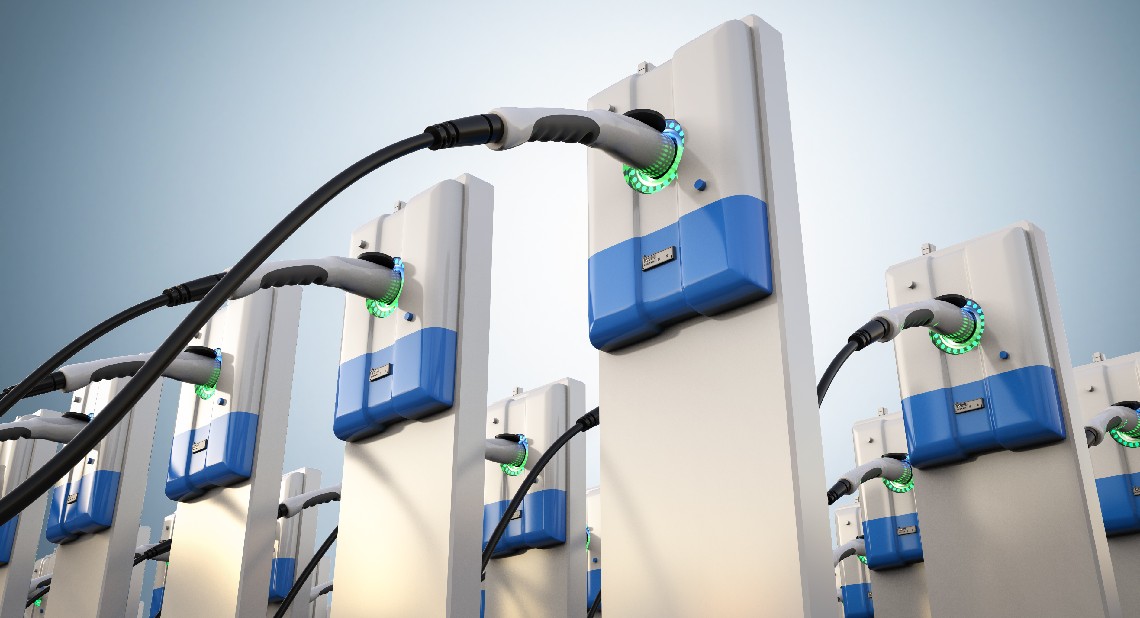
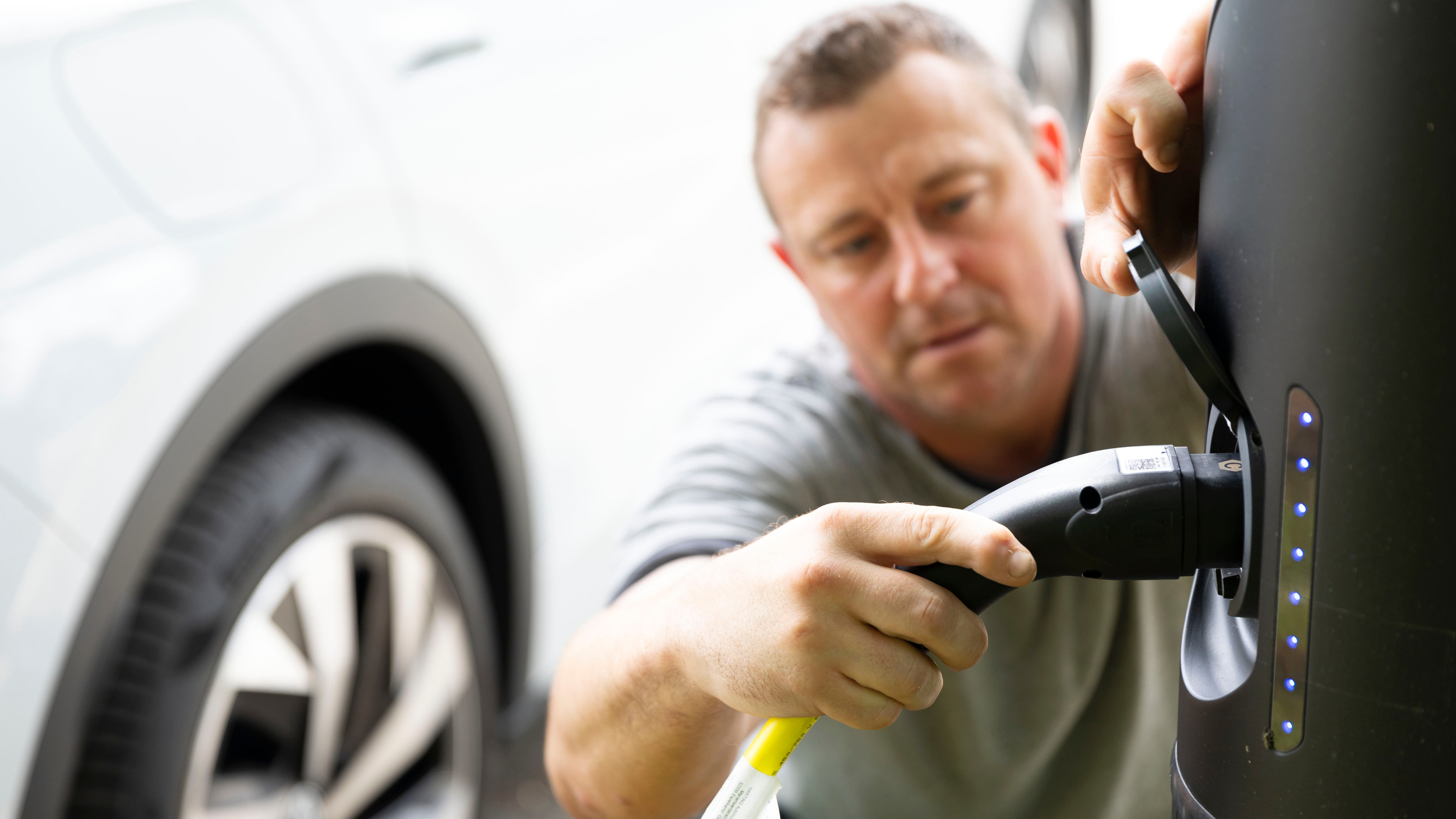
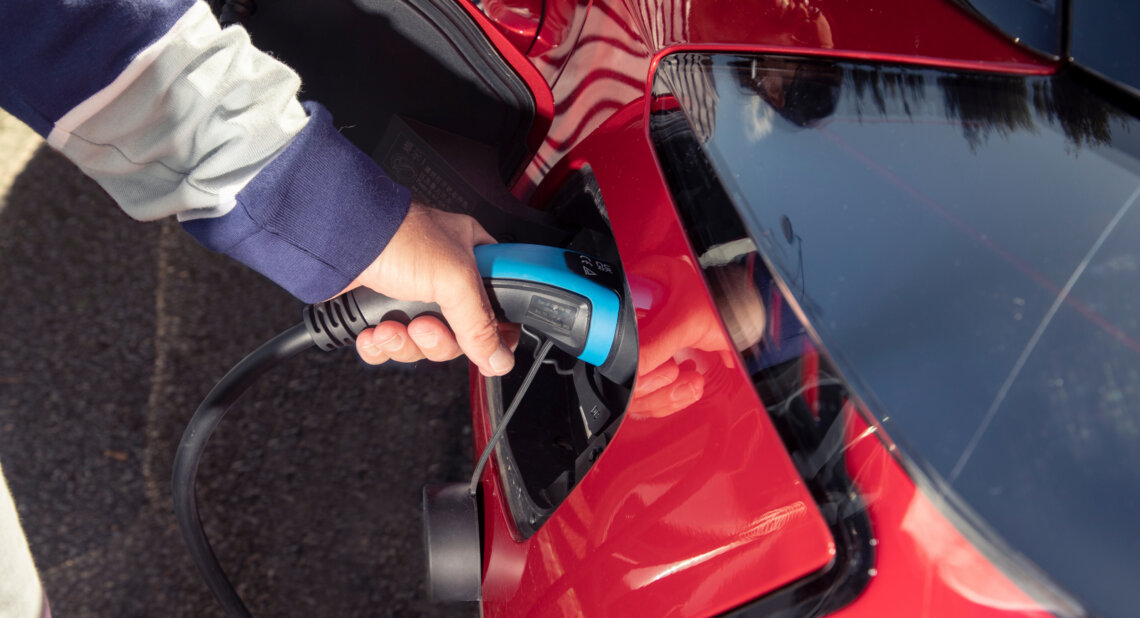
It’s a chargepoint with a cable permanently attached to it. Think of it like a petrol station pump or a hoover that’s always plugged in.
It usually has a dedicated charger type, often Type 2. This is the standard connector type in the UK. It supports charging speeds between 7kW and 22kW.
What to consider when you’re choosing a tethered charger
To help you decide, consider whether it would be a great choice for you.
It’s the best choice for you if you:
-
Find it difficult to lift and connect things
-
Want to charge quickly in poor weather, without getting a cable out of your boot
-
Are looking for security: your cable is permanently attached to your chargepoint
-
Do not want something extra to store
-
Are OK with paying high costs if it gets damaged. You’ll need to replace the whole thing
After you’re done, you usually either wrap the cable around the chargepoint box, or tuck it into a special holder.
Did you know?
You can extend a tethered cable using a dedicated extension cable? This helps you safely bridge the gap between your EV and chargepoint. These come in 5 or 10-meter lengths. Make sure it’s a high-quality cable.
Untethered chargers are flexible and tidy.
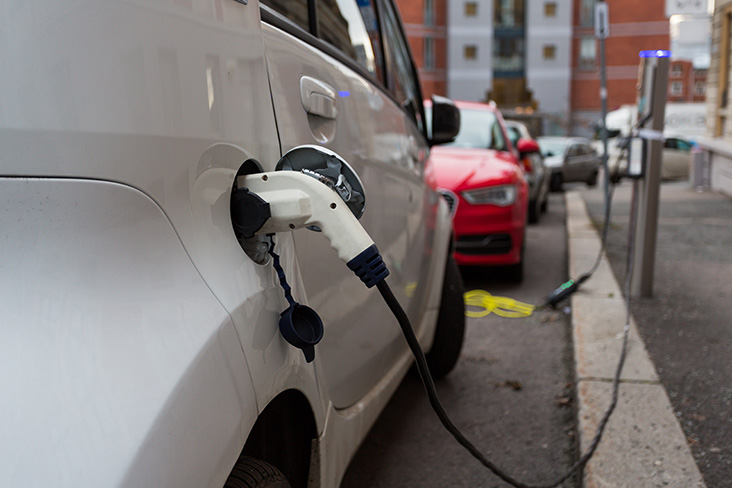
It’s a chargepoint with no cable attached to it. You’ll attach and detach a cable instead, then take it with you and store it.
What to consider when you’re choosing an untethered charger
It’s the best choice for you if you:
-
Want peace of mind knowing people cannot use your cable
-
Are looking for a clean, tidy look, with less visual clutter
-
Want something that’s future-proof and flexible
-
Have multiple EVs at home. EVs with Type 1 or Type 2 ports can use the same charger
-
Are happy to store something extra in your boot
-
Want something that’s easy to replace if it gets damaged
Did you know?
These are also called ‘socketed’ or ‘universal’ chargers? If you hear those, it’s the same as an untethered charger.
Some customers under-use their home chargepoint and choose to public charge more often instead.* This could be because they are not used to charging at home.
So it’s important you choose the right charger for you. And test it out once it’s installed.
Tethered and untethered both do the same thing but differ a lot in how they’re used daily.
*Source: internal accessibility report data.
Tethered: what to take away
Here’s what you need to remember about tethered chargers:
- Good for limited mobility: No lifting or connecting
- Quick in poor weather: Just plug in and top up
- Some clutter: If your cable is not put away
- Secure: Difficult to steal
- For right now: You might need to change your chargepoint if you change your EV
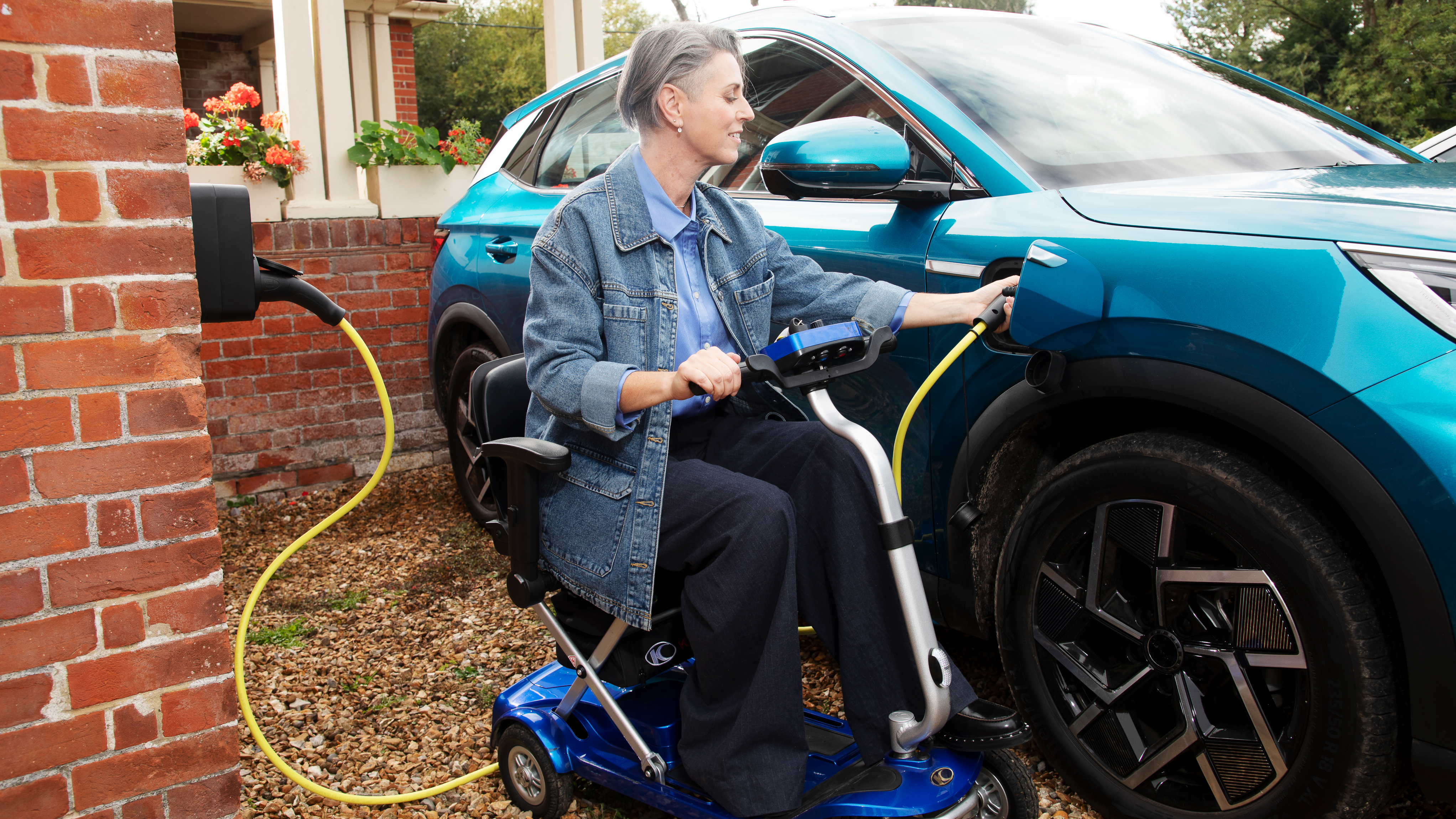
Your charging cable should be easy for you to handle. It should suit your strength and dexterity.
Untethered: what to take away
Here’s what you need to remember about untethered chargers:
-
Bad for limited mobility: Some lifting and connecting.
-
Slow in poor weather: Get your cable out first.
-
No clutter: Clear, cableless charger. Safe.
-
Only for you: No one can use your cable.
-
For the future: If you change your EV, you can keep the same chargepoint.
Here’s how to handle an untethered charger, so you can decide if it’s right for you:
Gripping and handling tips
-
High-quality cables are made to help you grip them securely
-
Move at a slow, even pace
-
Try not to pull or drag the cable across the ground, to avoid damage
Transport and storage tips
-
Go for a lightweight cable, if you’re buying one. You’ll always get lightweight on the Scheme
-
Always store it in a clean, dry place. Some EVs have a net pocket in the boot for your cable
Need to know more about EVs before you choose? Our EV email series can help.
Which charger you choose should always come down to your mobility needs, home setup, and daily routine. Choose whatever’s most accessible for you.
A tethered charger is best at home. It’s simpler, as you never need to lift any cables. And on a cold, wet day, you’ll appreciate its convenience.
If you’re happy and able to lift a cable, you might enjoy the flexibility of untethered more.
On the Scheme, you’ll get charging support, either at home or on the go.
Which EV charger do I get on the Scheme?
You can choose, depending on how you’re charging. Here are your choices:
-
Getting a home chargepoint? You choose. We recommend tethered, to keep charging simple.
-
Charging on the go? We’ll give you an untethered cable so you can charge at tethered and untethered chargepoints.
What to consider about the installation and charging your next EV:
Which charger is easier to install?
Untethered home chargepoints are easier to install. They’re lighter, smaller, and your installer will not need to manage any heavy, fixed cables when they mount your chargepoint.
Tethered home chargepoints might take a little longer, but they’re still simple to install. Both take between two and five hours.
What if I change my vehicle?
Swapping to the latest EV on the Scheme? If you have an untethered cable, you’ll still be able to use your home chargepoint with your new EV, if it uses a Type 1 or Type 2 charging port.
If you have a tethered chargepoint installed, you’ll need to check whether the cable is compatible with your new EV. Your dealer should be able to help with this.
Speak to them about types of EV chargers first. They’ll give you advice on which EV charger is most accessible for you and your new EV.
If you’re going back to a petrol or diesel car, contact us and we’ll talk to you about what happens to your home chargepoint.
Still deciding? Get up to speed on EVs
Our email series can help you understand your options, learn more about range and charging accessibility, and give you an idea of what owning an EV looks like.
Related articles
Still not sure about electric? Explore our new EV for me hub