We look at five truly inspiring creatives, scientists and men and women of medicine. All of them had a fresh perspective on their craft and brought something new to their field.
Welcome to our series about famous people in history who passionately advocated for disabled people and their rights.
This time, we’ll look at some artists, scientists and healers who achieved a lot for disabled people.
Some you might already know, like the daring Mexican painter and icon Frida Kahlo. Others will be new to you.
Jump to:
Frida Kahlo: the Mexican icon
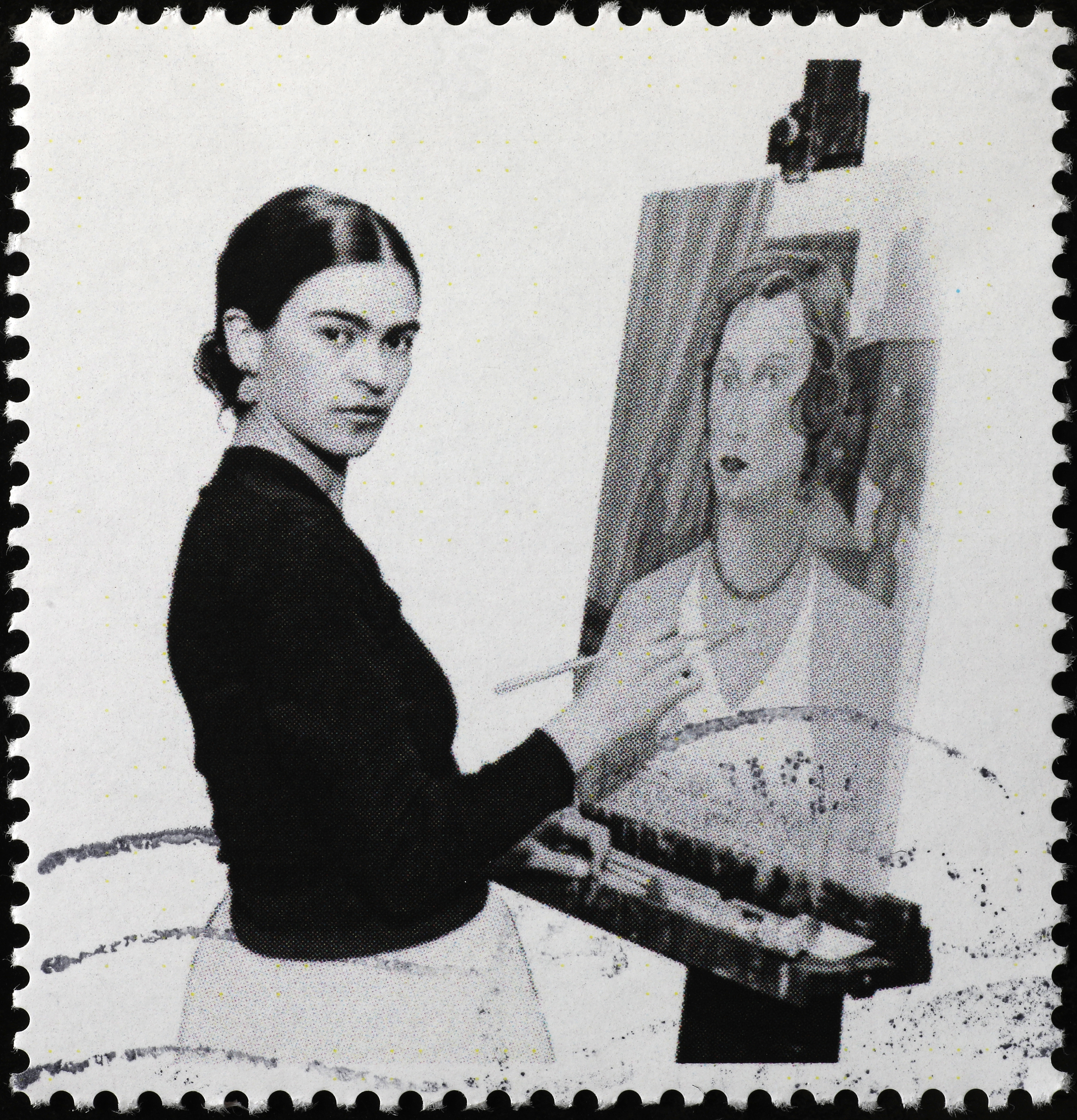
Image credit: Shutterstock
We all know Kahlo for her vibrant self-portraits, breaking social norms, and her fierce spirit. But we talk less about her disabilities.
Kahlo was born with spina bifida and had polio as a child. When she was 18, she was in a serious accident, which caused her severe nerve pain for most of her life.
This greatly affected her art, which she mostly created while sitting or lying down. She painted her strange world in oil. “I painted my reality,” she said.
This gave us pieces like Broken Column, which boldly shows Kahlo’s disabled form. And much of her work explores her identity and relationship with her body.
Her disabilities are often overlooked, but they were a big part of her work, which still inspires us today.
You can watch the 2019 documentary on Frida called Frida. Viva la Vida, or the 2002 dramatisation with Salma Hayek, called Frida.
Temple Grandin: the animal activist
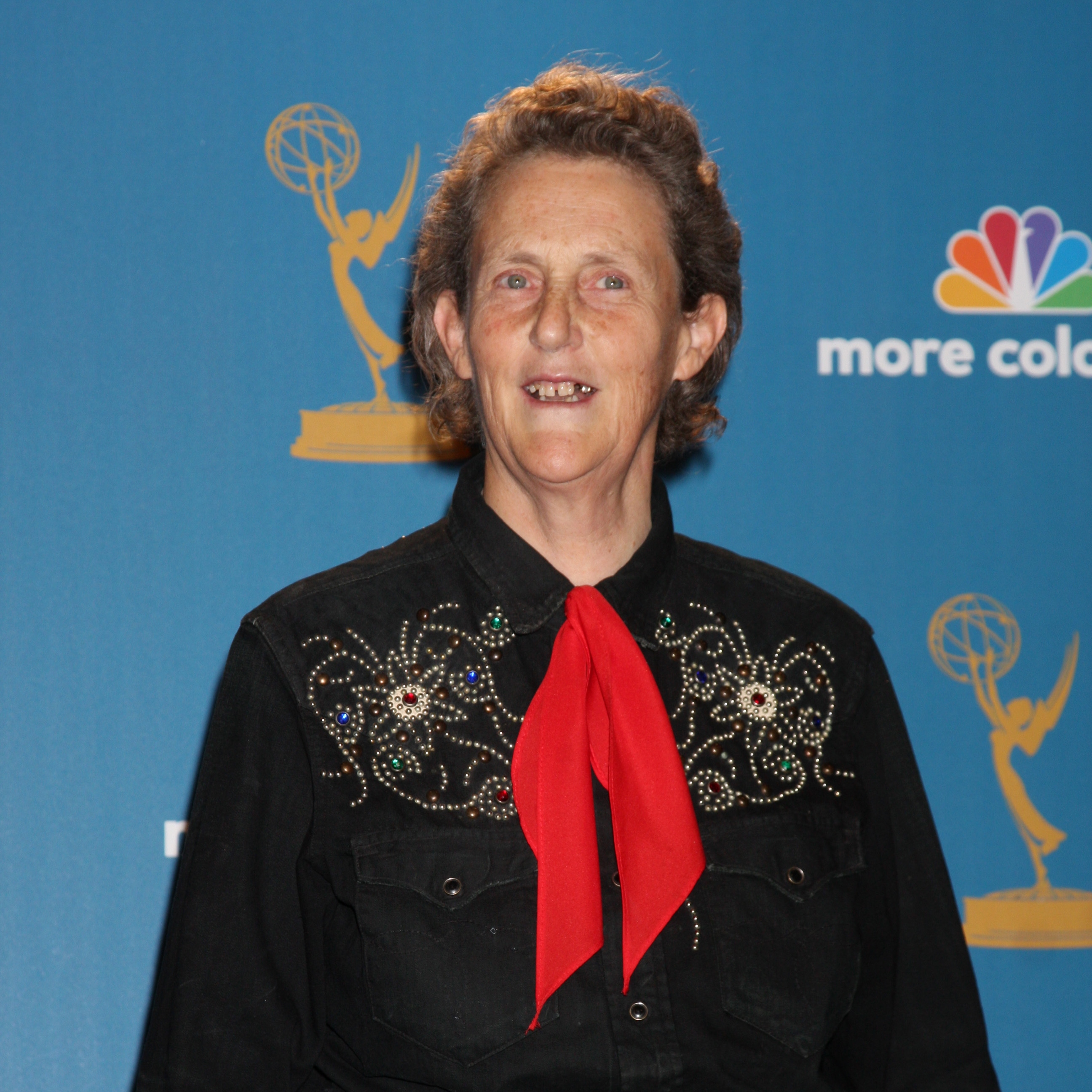
Image credit: Shutterstock
Born in Boston, Grandin was bullied and got expelled from school at 14 for throwing a book at a classmate. Grandin’s mother soon realised she had autism.
She went on to achieve a BA in psychology and an MA and doctorate in animal science. And still pushes for people to treat animal livestock humanely.
Grandin’s one of the only people on our list who’s still with us. She’s a big spokesperson for autism and advocates for early intervention and supportive teachers.
Neurologist Oliver Sack called her book ‘a glimpse into a quite other sort of mind.’
Today, she’s a Professor of Animal Science. And still an intellectual and cultural hero.
You can hear more about Grandin’s work and ideas straight from Grandin herself, in her TED talk.
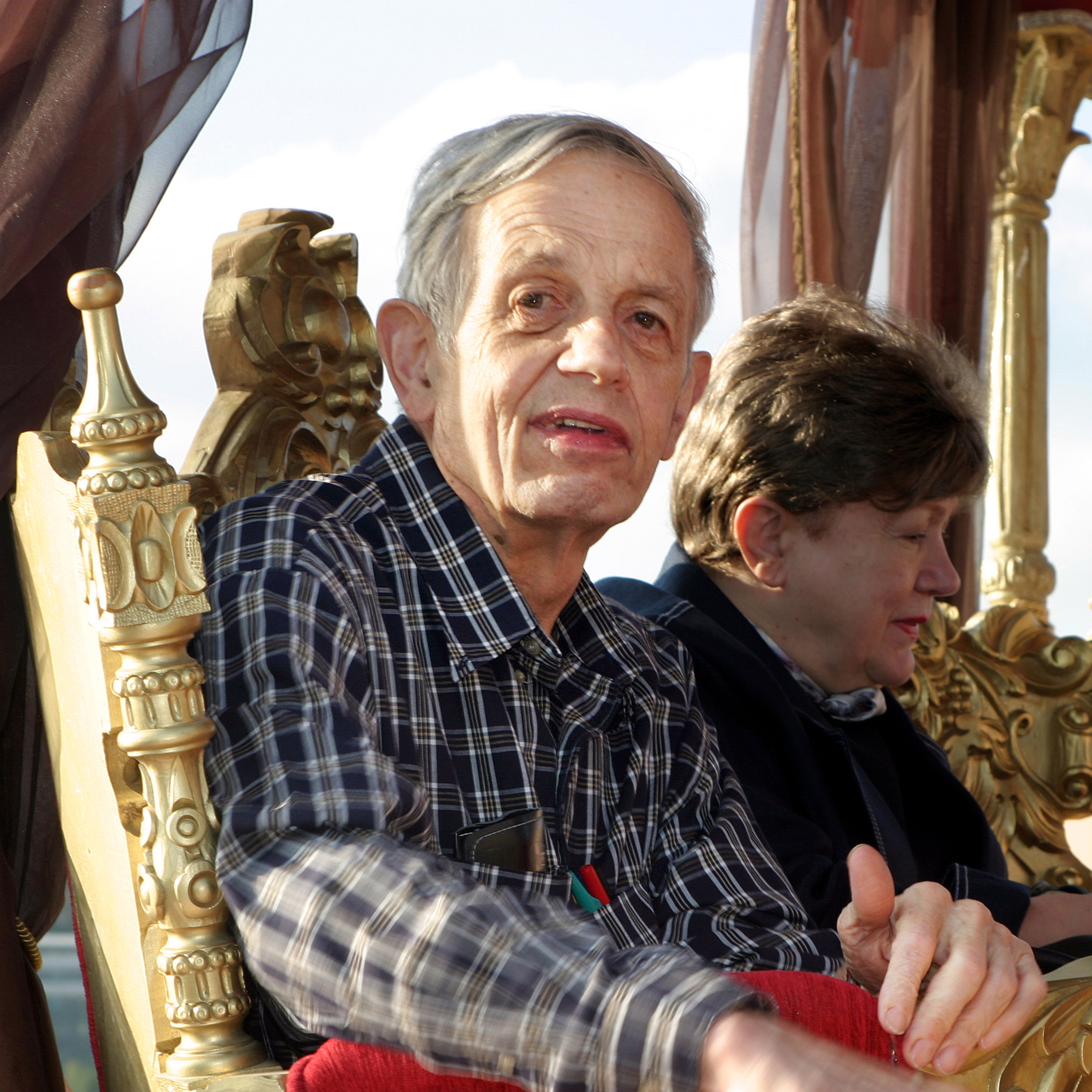
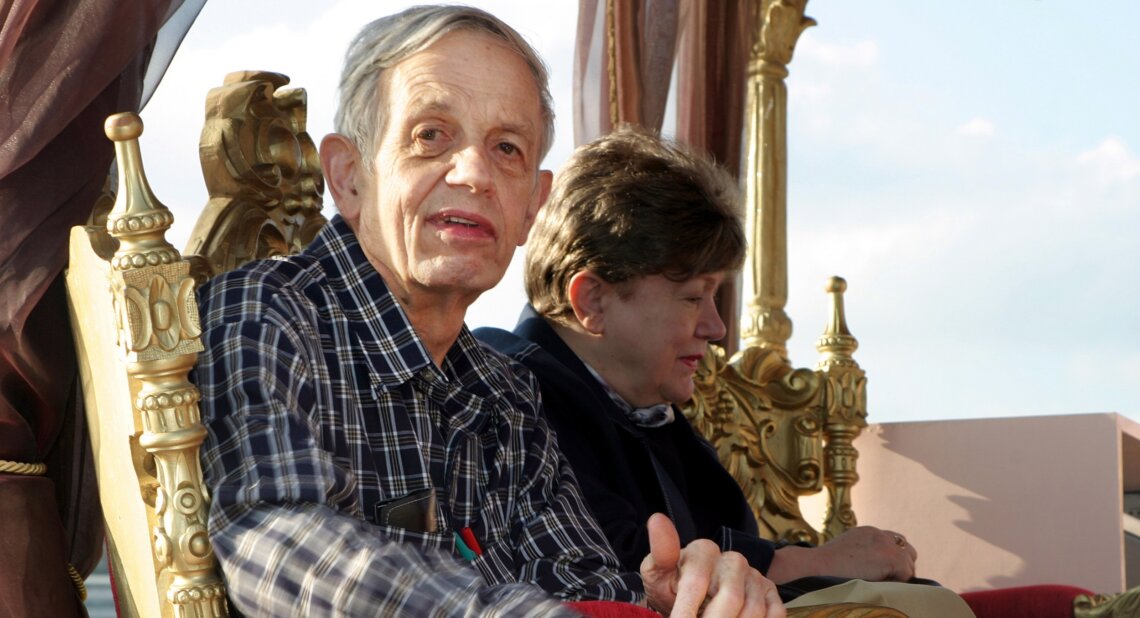
If you’ve seen the Oscar-winning film A Beautiful Mind, you’ll have an idea of Nash’s large legacy and reputation.
He was a brilliant student and achieved a doctorate at Princeton University when he was 22 years old.
One year later, he joined MIT but later resigned because of his paranoid schizophrenia.
Nash spoke openly about his struggle with mental illness. He thought there were conspiracies against him. And began hearing voices in his head.
Despite his disability, he developed the Nash embedding theorem, which says you can always find a way to ‘embed’ a curved, abstract space into a flat, familiar space, without distorting distances.
And he’s the only person who’s been awarded both the prestigious Nobel Prize in Economics and the Abel Prize.
Mobility fuels creativity, careers and connection. Explore how the Scheme makes this possible for over 860,000 people.
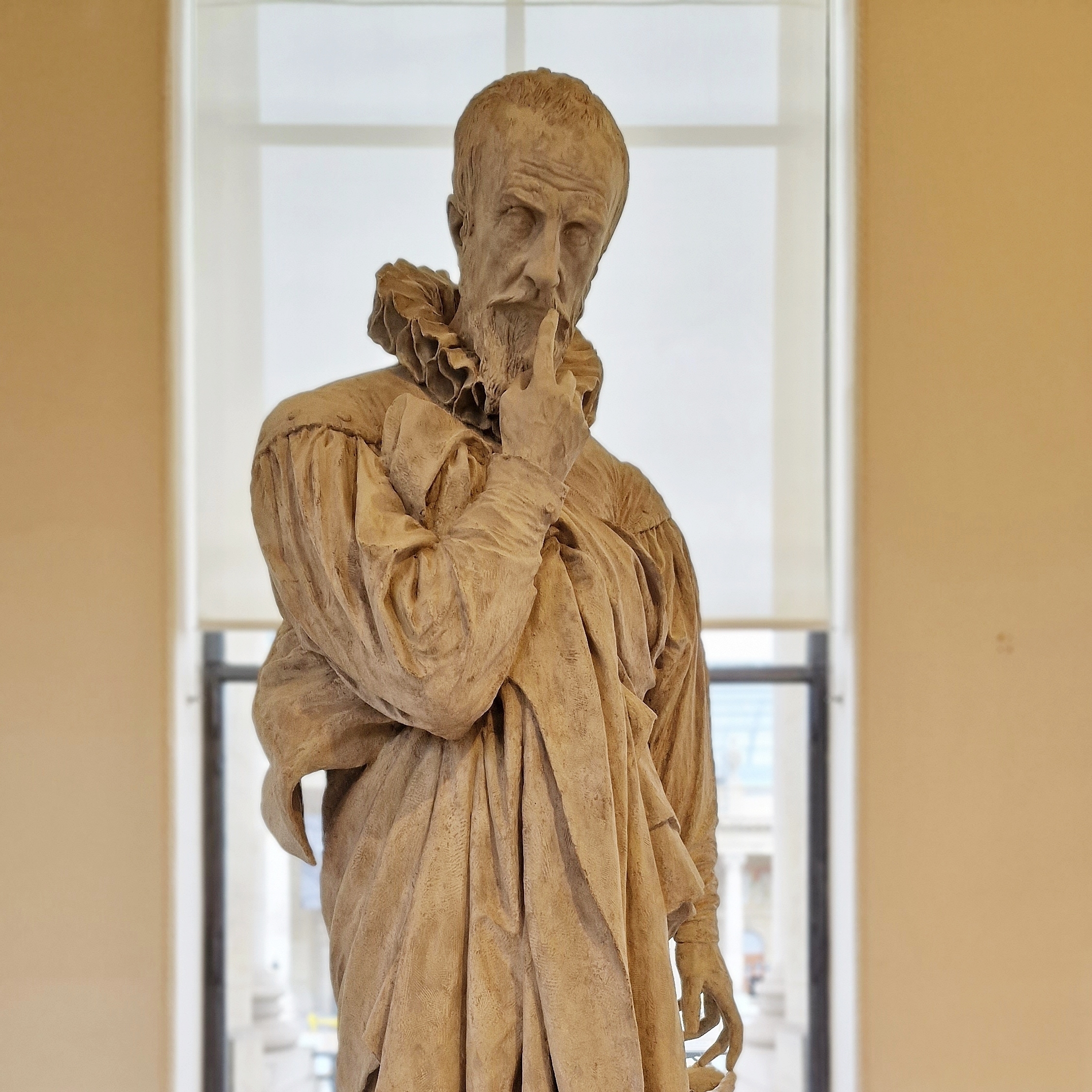
Born in 1510, Paré was one of the most notable surgeons of the European Renaissance.
He worked as a surgeon in the French Army for 20 years. And became so popular he was recruited by the King and served four monarchs.
Paré truly changed people’s ideas about surgery and the way we treat wounds and amputations.
He developed some of the first artificial limbs and eyes for injured soldiers. These paved the way for the prosthetics people use today.
He was well-loved and people respected him as much for his kindness as for his skill as a surgeon.
In 1954, in India, a car carrying a group of young doctors overturned three times. Everyone recovered except for Verghese, who was left paraplegic.
This and her treatments turned her world upside down. But she was determined to work with people.
She got a fellowship in New York and became a surgeon. In 1966 her dream came true when the Rehabilitation Institute opened.
Verghese redesigned Western solutions to make them affordable. And raised money for people who could not afford braces, wheelchairs and prosthetics.
She received the highest honours throughout her life, including the Padma Shri in 1972. “My disability is my greatest asset as a doctor,” she said.
If you’re curious to learn more, there’s a book about Verghese called Take My Hands: the Remarkable Story of Mary Verghese, by Dorothy Clarke Wilson.
We’re moved by these people every day
We see their names and faces every time we enter our office meeting rooms. Their stories drive us and help us make the Motability Scheme even better. We hope they’ve inspired you a lot too.
Inspired by these stories?
Sign up to our monthly newsletter to read more stories about disabled people being creative, in sports, on accessible days out, and more.
Read the rest in the series
Five champions of education and support for disabled people
Five pioneers whose creations helped disabled people
Four fearless activists who fought for disabled people
Featured image credit: Shutterstock