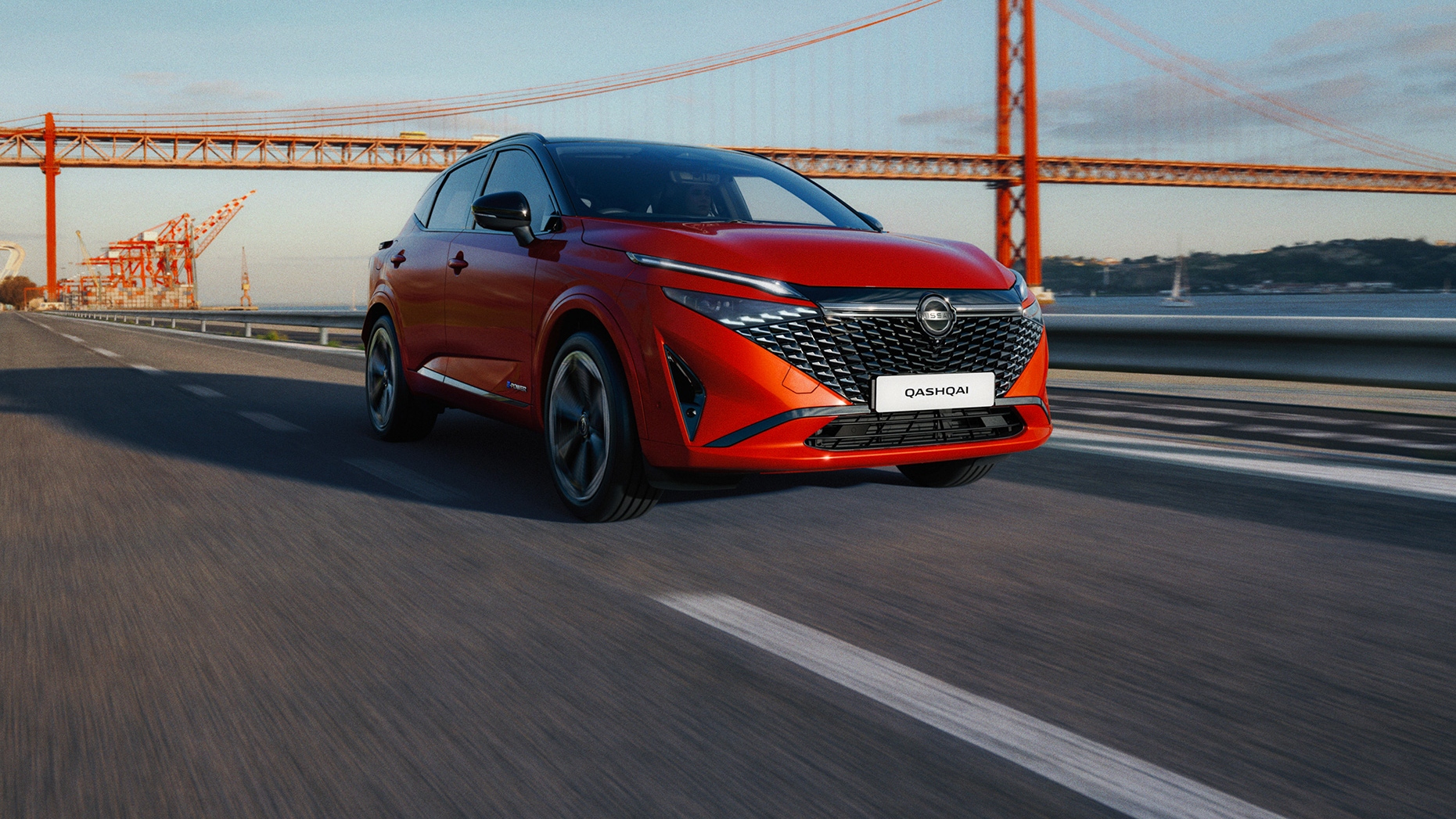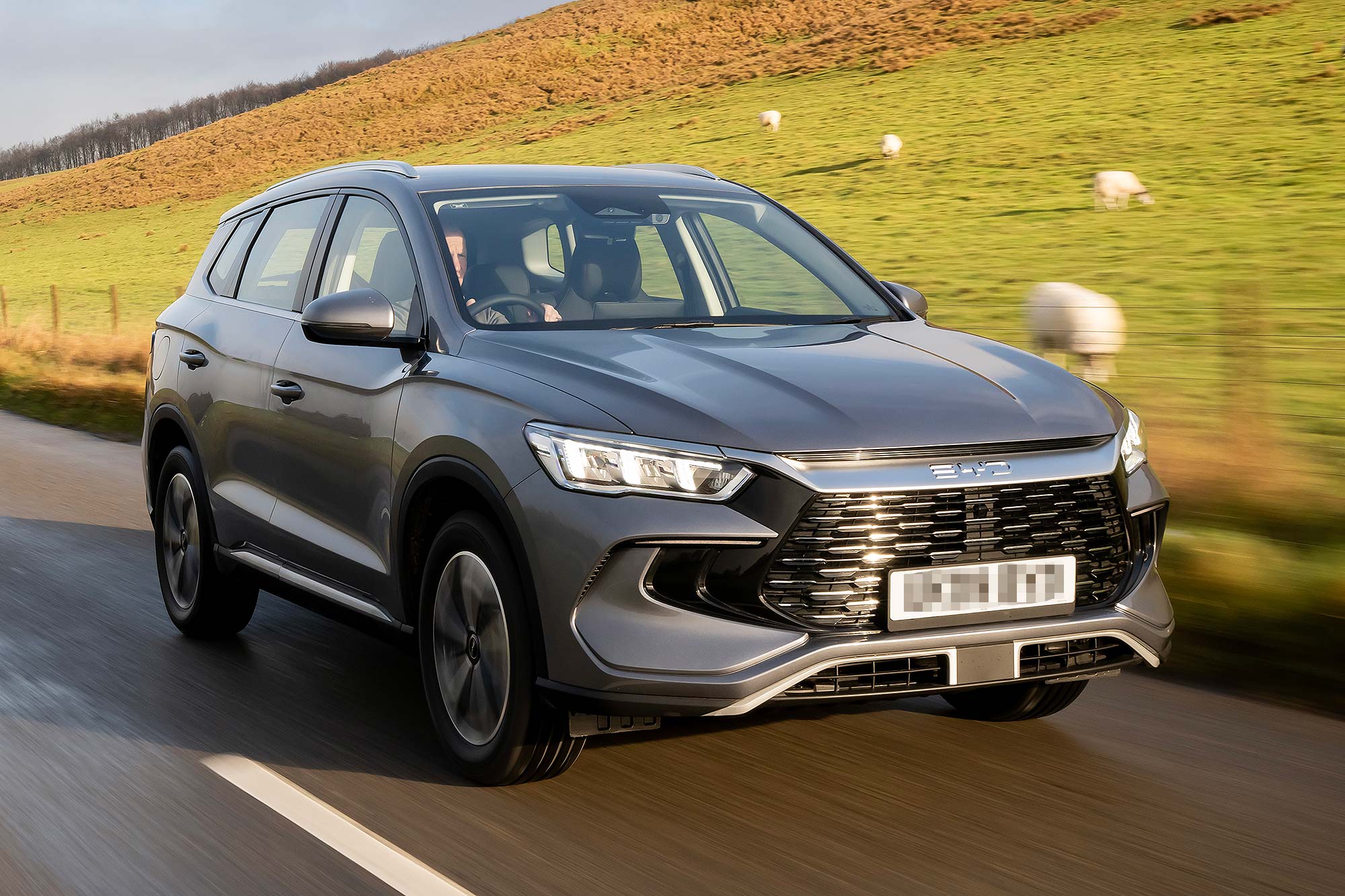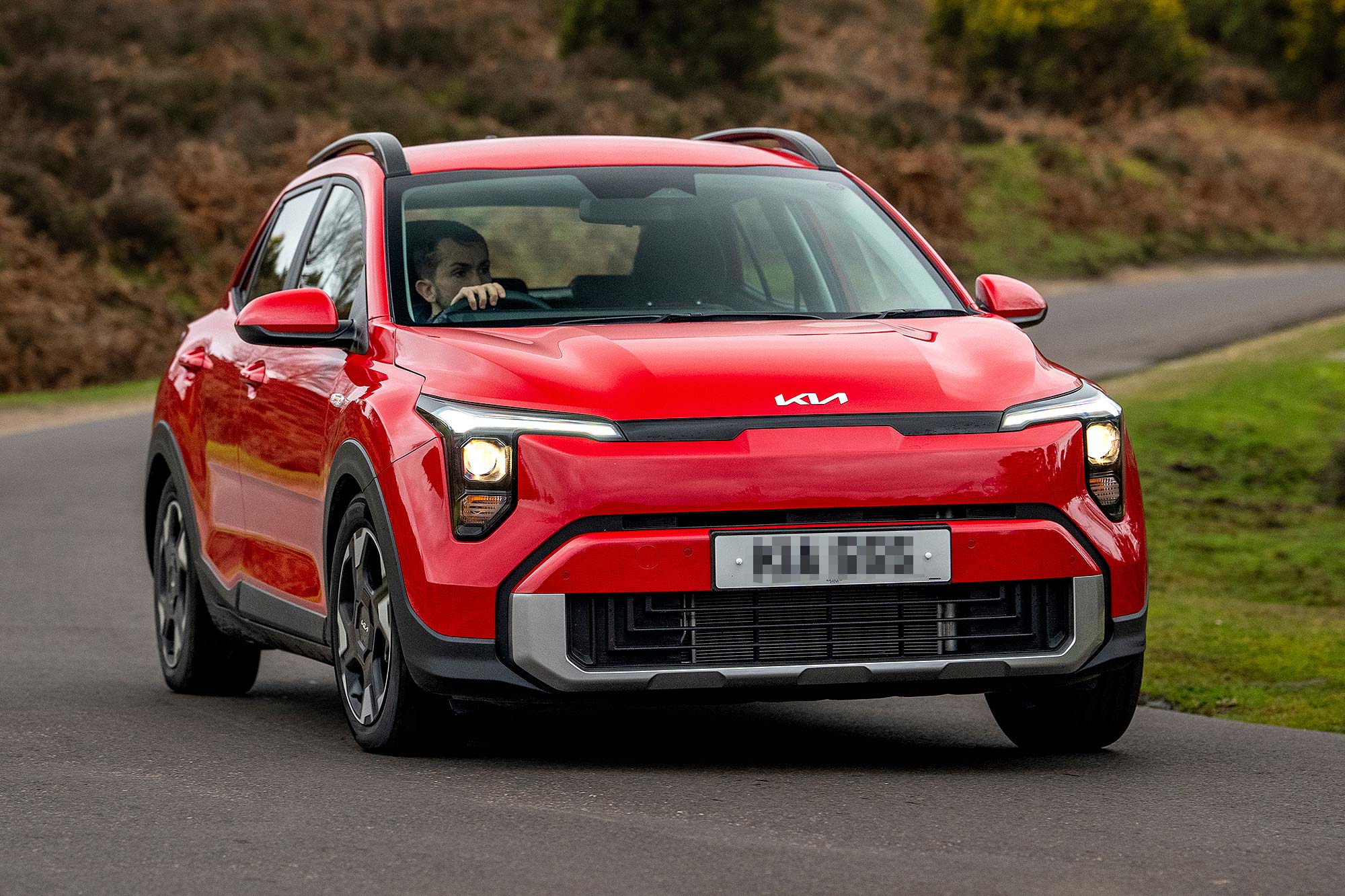
The motor industry continues to see plenty of change. The pressure on it has rarely been greater. The Motability Scheme is therefore evolving to help customers in the face of such challenges.
Independent motoring expert Richard Aucock* explains all.
Jump to:
Key new car market changes since 2025
In just one year, the UK market has changed rapidly. Headlines were made back in March 2026 when the Jaecoo 7 became the UK’s best-selling new car. This was the first time a Chinese car had ever topped the new car registrations chart.
Jaecoo, part of the huge Chery International group, is one of many Chinese brands growing fast in the UK, with BYD, Chery, Omoda, Changan and Leapmotor all finding favour with UK drivers.
While these brands may be unfamiliar, they are entering the UK with some exciting new cars. They may be coming soon to a Motability Scheme dealer near you. The experts there will be able to take you through what they can offer.
Many of these brands have ambitious sales targets for the UK. BYD has even said it wants to be the world’s largest car manufacturer within five years. They are planning to introduce lots of new models to achieve this. It means choice will continue to grow in the months and years ahead.
Outside of Chinese brands, there has even been the recent reintroduction of the Mitsubishi brand to the UK. The revival of this well-known Japanese brand again reflects the willingness of consumers to consider so many more types of car before choosing their new model.
Ever-improving vehicle supply is helping give consumers more choice, too. The restrictions caused by the pandemic are largely now over. Waiting times for new models are now much more manageable. This helps you switch more seamlessly from one car lease into another.
So many more new brands in the UK means a growing choice of different body types. This it more important than ever to research carefully before deciding. The Motability Scheme ‘Find a vehicle’ tool will help here, as will your local dealer.
There is a revival in once-popular categories, such as small cars. Driven by the growth of EVs, those after a compact, city-friendly model have plenty of models to choose from. They’re not just electric small cars, either. Some of them have clever fuel-sipping hybrid engines, or even high-tech plug-in hybrid engines.
Seven-seater models are also on the up, particularly seven-seat SUVs. Some models have a six-seat option too, with three rows of ultra-comfortable ‘captain’s chairs’. They are great for carrying people in plenty of comfort.
So many more new car brands are appearing in the UK because our market is so large. The UK is the second-largest new car market in Europe, behind only Germany. Our willingness to embrace new car brands also means it can be easier for new entrants to gain a foothold here.
Some of these Chinese car brands are even opening factories in Europe. New plants in Hungary, Poland and Spain are already operating. Nissan and Chery have also signed an agreement to explore making models here in the UK, at Nissan’s giant Sunderland factory.
Local production of Chinese models will further increase availability in the UK. It will shorten delivery times and increase choice for British customers.
The Zero Emissions Vehicle Mandate (or ZEV Mandate) is government legislation that requires car makers to register an increasing number of electric vehicles, or EVs. For 2026, the ZEV target is for 33% of new cars to be electric.
The target rises to 38% in 2027, then jumps to 52% in 2028, 66% in 2029 and 80% in 2030.
Although there are flexibilities, car makers that miss their targets risk huge fines of £12,000 for every car they sell. This is why there is so much pressure to go electric.
In 2025, notable changes to the ZEV Mandate were announced. The headline fine was cut from £15,000 to £12,000. Hybrids were also allowed from 2030-2035. However, pure petrol and diesel cars are still due to be phased out by 2030. From 2035, current regulations state all new cars sold must be fully electric.
Today, there is speculation further changes could be announced. These could include reducing the EV sales target from 80% to 50% by 2030, and a review of targets between 2030-2035. Nothing is yet official and the industry will be watching carefully for an official announcement.
However, for both Motability Scheme customers and car buyers in general, the trend is clear. There will continue to be a shift in the type of new cars available. You may already have seen there are fewer diesel cars. There will gradually be fewer petrol cars available too, with petrol-electric hybrids and petrol-electric plug-in hybrids taking over. Alongside this, fully electric cars will significantly grow in number.
As the motor industry shifts to electric cars, the Motability Scheme will help with a home chargepoint and standard installation as part of your lease. If you do not have a driveway, you will be given access to the bp pulse network of over 9,000 public chargepoints. This helps make leasing an electric car on the Motability Scheme as easy as possible.
Disabled drivers and electric car charging
There is growing awareness that some disabled drivers can struggle to use public electric car chargers. Challenges include the weight of charging cables and the force required to attach the connector. A lack of dropped kerbs around chargepoints and unsuitable parking arrangements are also problematic for the UK’s 1.35 million disabled drivers
The Motability Foundation, which oversees the Motability Scheme, believes that all public EV chargepoints should be accessible. Working with the government, the Motability Foundation commissioned the British Standards Institute (BSI) to develop a national accessible charging standard for EV chargepoints.
The standard has now been published. It is called ‘PAS 1899’. While the guidance is not yet mandatory, Motability Foundation will support its uptake and ensure it is used as widely as possible to make public EV charging accessible to all.

This year, there are changes to the Motability Scheme itself. This is in response to tax changes announced by the UK Government in the 2025 Autumn Budget. From July 2026, both VAT and Insurance Premium Tax will apply to most new leases. This means it will cost the Scheme significantly more to deliver. Without doing anything, the average cost of a new lease would increase by around £1,100.
Careful measures have therefore been introduced to offset these. To manage costs, the standard mileage on the Motability Scheme has been cut from 1 July 2026. However, at 10,000 miles a year, it is still more than a third higher than the UK national average.
Backing this up, an interesting trend uncovered by official government statistics from the Department for Transport is that the average annual mileage in the UK is falling. It currently stands at around 7,100 miles. This compares to 9,100 miles back in 2004.
There are three more changes. The excess mileage fee will be increased, tyre replacement limits will be changed, and an admin fee introduced if you take your car abroad.
From 1 July, when you look for a new car on the Scheme, the price you see already includes 20% VAT. And every lease still comes with the all-inclusive package. This means insurance, servicing, maintenance and breakdown cover are all a part of the price you pay. It’s the package customers rely on, and one the Scheme has worked hard to protect.
I think there has rarely been a more exciting time to be in the market for a new car. The choice is broader than ever, and some of the latest new models are high-tech marvels that are great fun to drive.
Ready to find your next vehicle?
Our Find a Vehicle tool lets you browse every car on the Scheme.
You can filter your search by what matters most to you. From fuel type and number of seats to features such as boot assistance and connectivity.
*About the author
Richard Aucock has been a professional motoring writer since 1998. He’s written about the car industry for the Motability Scheme since 2009. He has many key roles in the motoring world, including the UK juror for AUTOBEST, a juror for the World Car Awards, and Vice Chair of the Guild of Motoring Writers. Richard is also the director of Motoring Research, a leading UK publisher in the industry.