Here’s how the switch to electric vehicles (EVs) is transforming public transport in the UK. And making journeys greener, smoother, and more inclusive for everyone.
The UK’s transition to electric is not just reshaping cars. It’s transforming our buses, trains, and trams too. It’s creating greener, quieter, more inclusive travel for everyone.
We’ll look at how it’s improving things for disabled people, and what’s planned for our public transport system.
- What’s driving the electric shift?
- Cleaner and quieter bus rides
- Smoother train and tram journeys
- Making public transport more accessible
- Looking ahead: investment and technology
- More freedom, more independence
What’s driving the electric shift?
EVs are growing in popularity. One reason is the UK Government has set targets to bring us closer to zero-emission transport.
Alongside the ZEV Mandate is the Zero Emission Bus Regional Areas (ZEBRA) programme. This will fund up to £142.8 million to support up to 955 more zero emission buses (ZEBs) and similar infrastructure. And it’s not just for big cities. It includes £40 million towards projects that serve rural areas.
There’s also an attempt to make all EV infrastructure in the UK more inclusive. That means things like cross pavement charging, which is which is when EV cables are hidden away.
Cleaner and quieter bus rides
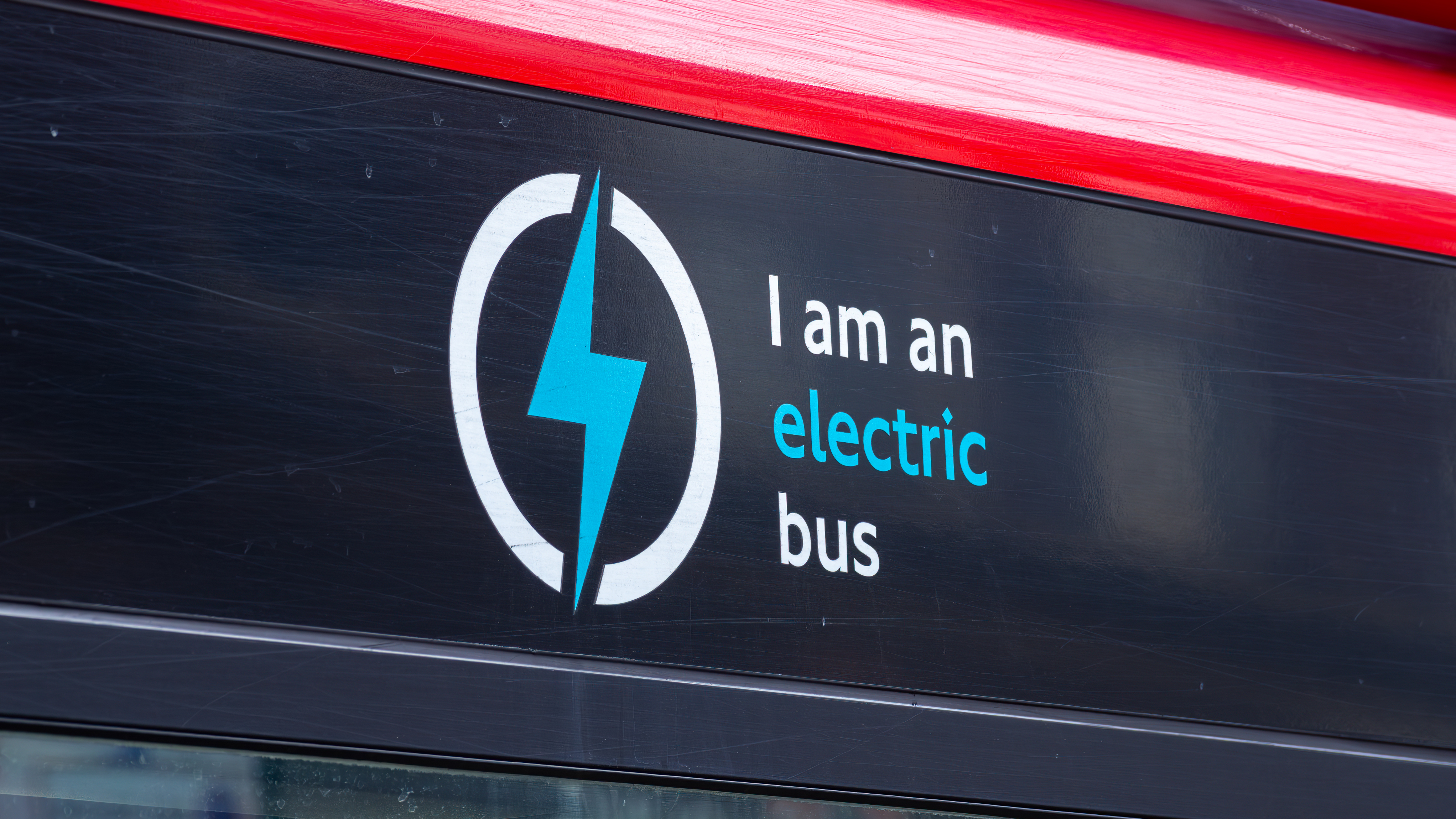
Image credit: Getty Images/David Taljat
Imagine getting on a bus and hearing almost no noise from the bus itself. Couple that with a smoother ride and it’s easy to see electric buses are the way forward.
The UK is moving away from inefficient fuels for buses. Diesel, for example, is less efficient when you’re driving under 30mph. And many city streets have a speed limit of 30mph.
If you have asthma, sensory sensitives, or other health conditions, you’ll benefit from the lower emissions, and the sensory advantages.
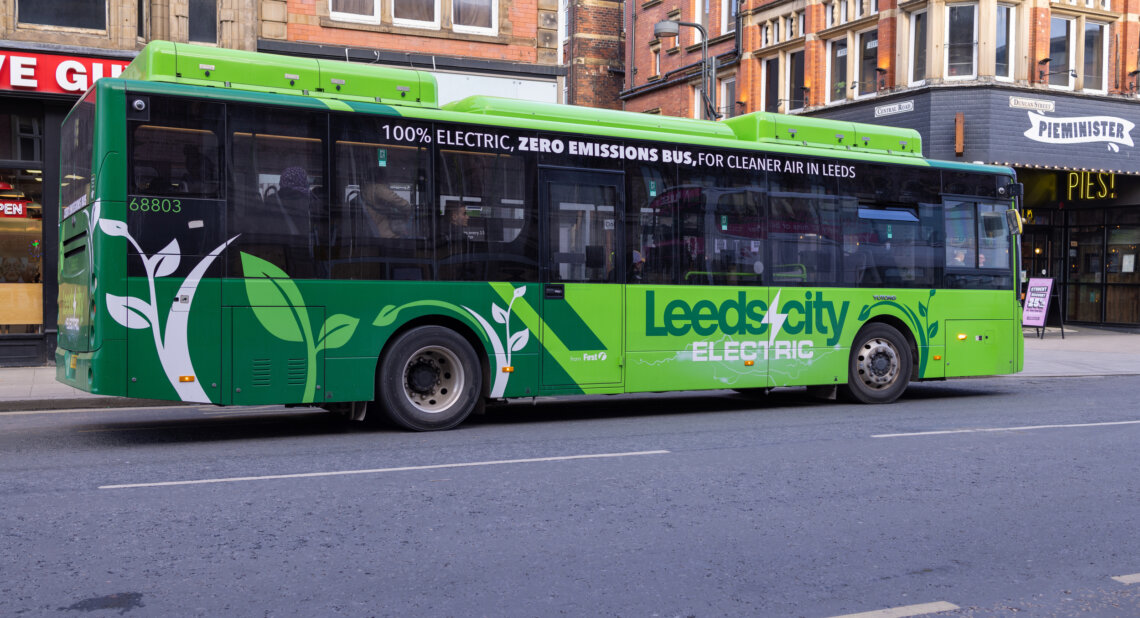
TfL’s fleet of around 9000 London buses already meet or exceed emission standards. London has the largest zero-emission bus fleet in Western Europe, and about 22% of TfL’s entire fleet is completely zero emission. That’s two in every nine buses.
All of this is influencing other regions of the UK too. Little by little, it’s all creating a more inclusive, modern, and environmentally friendly bus network.
Smoother train and tram journeys
Many non-electric trains are powered by diesel, which is the noisiest and most-polluting fuel. Older trains pollute more too, so if a model has not been replaced in a while, it’s likely to produce more emissions.
Some people feel hydrogen is the fuel of the future, instead of electric. There’s a growing recognition that it has a real potential to modernise rail networks. It’s a cheaper way to improve trains on non-electrified railway lines. And it costs less than shifting all lines to electric.
Some parts of the UK are exploring hydrogen to help phase out diesel trains by 2040. And across the channel, France have already placed orders for hydrogen trains to start running in 2025.
With trams, big cities like Manchester have already fully leaned into electric. Their Metrolink is powered entirely by electricity produced from modern, clean, and green energy sources. That means Greater Manchester’s trams emit no local air pollution at all.
Other cities are not far behind. Blackpool, Edinburgh, London, Nottingham, and Sheffield all have electric tram systems of varying sizes.
If you’re disabled and you need minimal vibration on your trips, a smooth electric tram ride could be the ideal way to get where you’re going.
Features like step-free access and electric lifts are more common now. That means more comfort and independence for you, and less anxiety while you’re out and about.
Making public transport more accessible
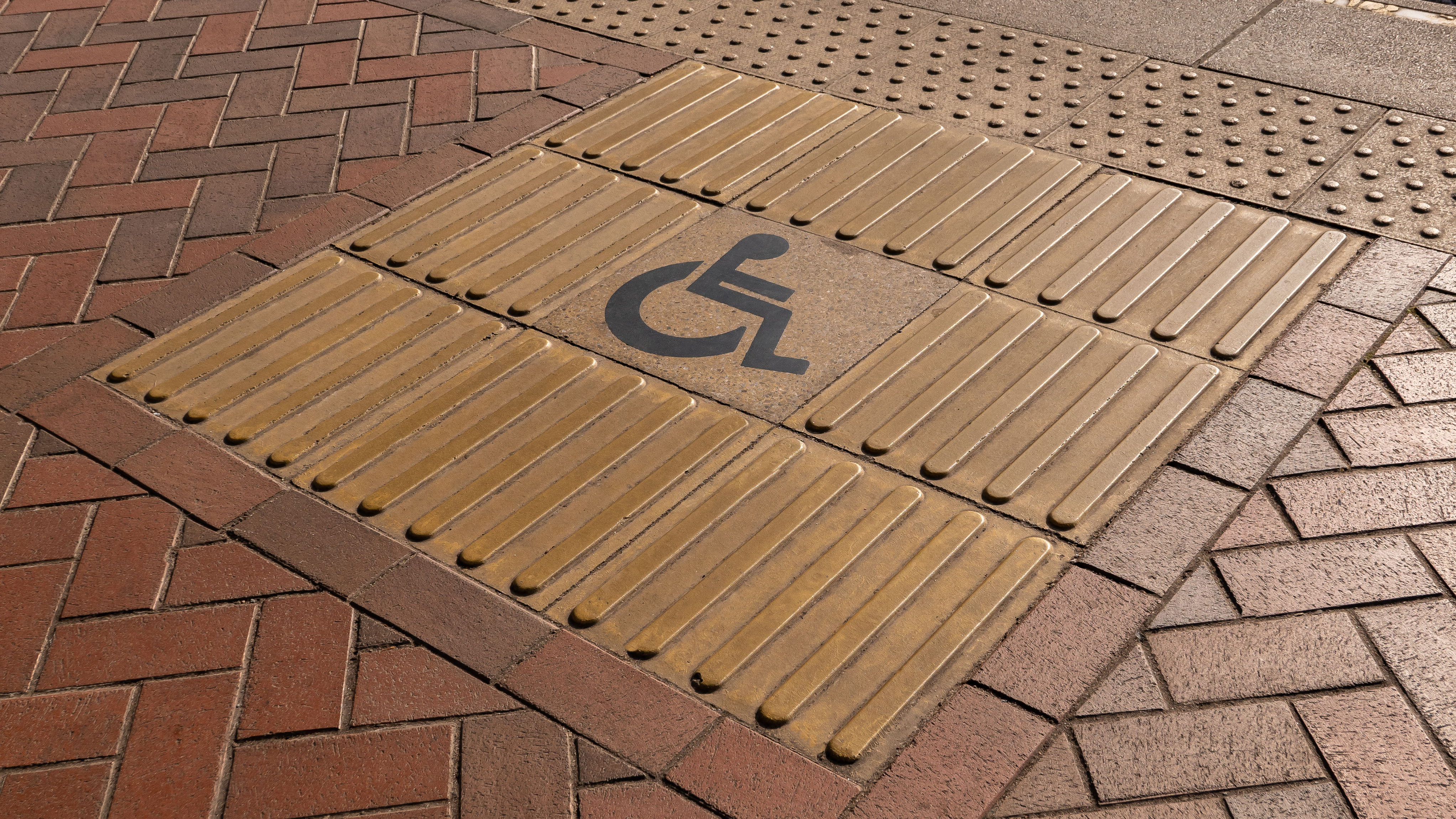
Image credit: Getty Images/K Neville
Electric buses are being integrated with digital platforms for real-time travel information displays. Like trains and trams, this means you’ll know when your bus is arriving, with more accuracy.
TfL have introduced innovative buses on their north-south route 63. They have a more open feel, like a skylight on the upper deck and larger rear windows.
They’re also upgrading bus stops across the city so they’re accessible for wheelchairs. And improving seating arrangements to cater for diverse needs.
Looking ahead: investment and technology
To keep things heading in the right direction, it takes investment to buy and install the latest technology. Over the next decade, we’ll see public transport change a lot.
TfL are investing in improving their London bus network, to keep it efficient and reliable. The Government have also invested nearly £30 million to bring 319 new green buses to England by 2027.
This funding will create jobs in engineering, construction, and green manufacturing. And the new buses will be spread across the country, from Hull to Hove.
More freedom, more independence
Here’s a handy summary of all the changes we’ve talked about:
- Electric bus journeys are becoming smoother and quieter
- Electric bus designs are becoming more open and inclusive
- Diesel trains are going, and hydrogen trains are being phased in
- Electric transport can give you real-time schedule updates
- Electric trams are smooth to ride, and are already in lots of UK cities
- The Government and TfL are investing heavily in new technology
- Lower emissions from electric public transport will help the environment
Everyone, on and off the Motability Scheme, benefits from better public transport. These changes all support your freedom and independence, just like the Scheme itself.
More than 100,000 people have chosen an EV on the Scheme, and that number is growing. We’ll continue to innovate, to meet your needs. We’re here to support you, now and in the future.
Sign up to our electric car series
It’s our exciting email series for anyone looking to learn more about electric cars. We’ll explain how they work and show you what life with one could look like. You’ll get one email each week, for eight weeks.
Sign up now.
Featured image credit: Getty Images/Duncan Cuthbertson
Related articles
Worried about how far your electric car will go? Our tool puts you in charge
Top tips for using public transport with a powered wheelchair or scooter