Electric vehicles (EVs) offer different driving modes to make your driving experience more adaptable and comfortable. Explore the difference between Eco, Normal, and Sport modes. And some less common EV modes too.
You’ll find driving modes in petrol and diesel vehicles as well, but they’re more common in EVs. These modes adjust your EV’s performance, efficiency, and comfort.
We’ll help you understand exactly what each one does, and how to switch between driving modes.
- What is Eco mode?
- Is Normal mode the default?
- When to use Sport mode
- What are weather and terrain modes?
- How to change your regenerative braking settings
- How switching between modes can help Scheme customers
- All the main modes and their benefits
What is Eco mode?
‘Eco’ is short for ‘economical.’ This mode makes sure your EV uses energy efficiently while you drive.
When you’re driving in Eco mode your range increases and you sacrifice some power when you accelerate. Your EV will also prioritise battery life above luxuries like air con.
It’s perfect for both your daily commute and longer drives. For your commute, it smooths your acceleration in stop-start traffic. For long drives, it increases your fuel efficiency by using the most economical settings.
So, if you want to relax a little and let your EV make the most of its energy, switch to Eco mode.
Best for: when you want to maximise your efficiency and take things easy on your drive.
Is Normal mode the default?
Also known as ‘Comfort mode,’ it’s the default mode when you hop in the driver’s seat. It’s a balanced sweet spot designed for everyday driving.
It might have a dull name, but it cleverly strikes a balance between performance and efficiency, like a halfway mode between Eco and Sport.
Use this mode and you’ll always have a comfortable drive. It’s what most people use, simply because it’s the default.
Best for: when you want a comfy, balanced drive.
When to use Sport mode
Also known as ‘Dynamic mode’ or ‘Performance mode,’ it’s the sporty side of your EV ramping up your EV’s acceleration and responsiveness, giving you extra power when you need it.
EVs are known for their incredible acceleration. It’s perfect for picking up speed to merge onto the motorway, within the legal speed limits.
Better for shorter bursts when you want to prioritise performance, Sport mode uses more energy. There’s a price to pay for everything. In ‘Sport’ mode, it’s range.
Best for: when you need that extra power on the motorway.
What are weather and terrain modes?
Some manufacturers have named their own modes. For example, some brands call their Eco mode ‘Efficient mode’ instead. They also have plenty of modes to make the visuals and sounds more sensory and tailored to you.
You’ll also notice some cars have weather or terrain-based modes. In a Ford Puma, you’ll see Slippery mode.
This is for when the roads are wet or icy in winter. It dulls the throttle’s responsiveness and adapts the steering to give you more control. You should swap to winter tyres and use this mode in combination.
Another common mode is Off-road mode. It improves your EV’s traction and control on rough terrain. This gives you a more precise accelerator response, improved all-wheel drive, and extra control when you’re going downhill.
Most EVs have a variety of modes to accommodate both your needs and the conditions you’re driving in. They’re designed to be flexible and easy to personalise.
Best for: when the weather or terrain is a little unusual. Choose the right mode for the right circumstance.
How to change your regenerative braking settings
Regenerative braking is not a driving mode in the traditional sense, but it’s a very helpful system which can improve your driving experience.
If it’s new to you, check out our guide to regenerative braking. In short, you create energy when you put your foot on the brake pedal. Your EV stores and uses this energy later, to stay efficient.
It’s better for your pocket, and your brakes. Your brakes will last longer because your vehicle slows itself using the motor, not the friction of the brake pads.
You can customise the settings to suit the driving conditions and your preferences. Just use your vehicle’s touchscreen or steering wheel paddles. You can usually choose between Standard and High, or Levels 1, 2 and 3.
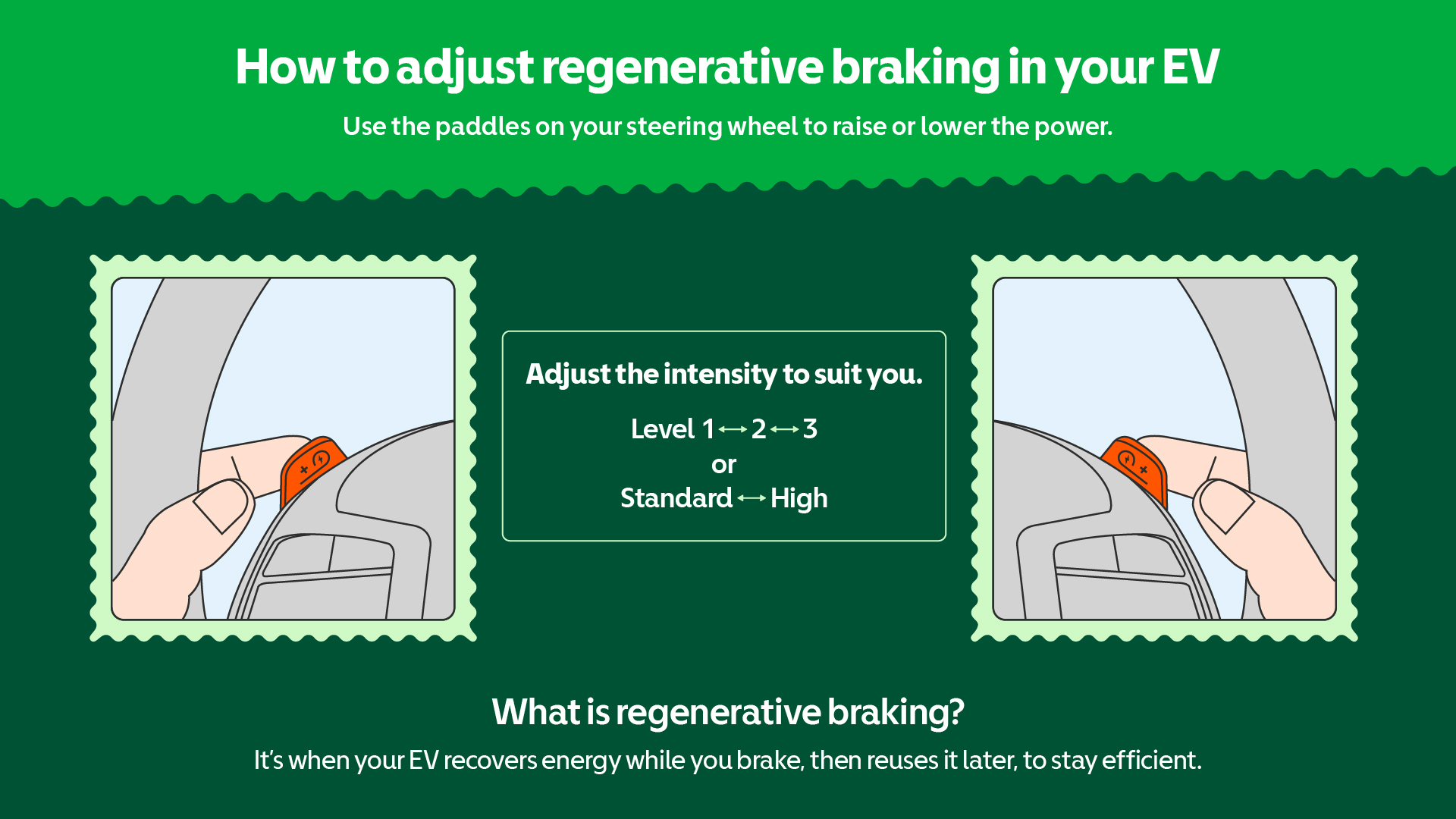
Some vehicles have an Auto setting too, which automatically adjusts your braking, based on the traffic ahead.
If you turn the power of your regenerative braking to the maximum, you’ll drive using ‘one-pedal driving.’ This means your EV will slow down and stop using only the accelerator pedal, not your brake pedal.
Remember, regenerative braking is always beneficial. Short bursts of recharging never harm your battery, even at low temperatures.
Best for: leave this on all the time, to keep your EV efficient and keep your pocket happy.
Variety is the key to using these modes. It’s best not to stick to just one, even during a single journey.
The trick is to try them all: flick into Eco and when you’re happy to take it easy. Then into Sport when you’re on a stretch of motorway. Then back into Normal when you feel like it.
And try those less familiar modes too when the weather suits. Experiment safely and find the settings that work best for you.
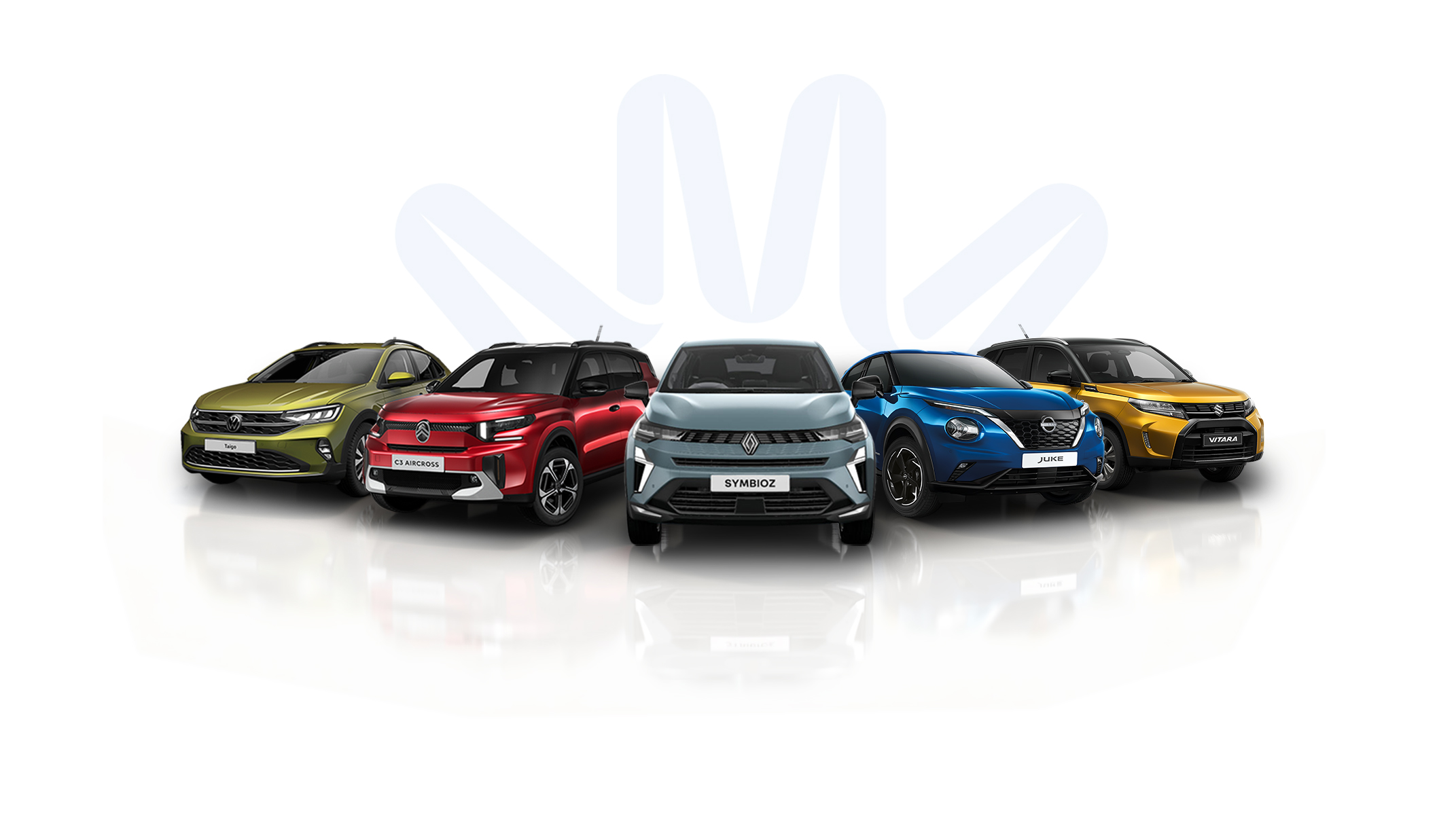
We have plenty of EVs available on the Scheme, all with the latest modes, technology, and other helpful features.
Here’s a quick summary of all the driving modes we’ve covered and what they’re for:
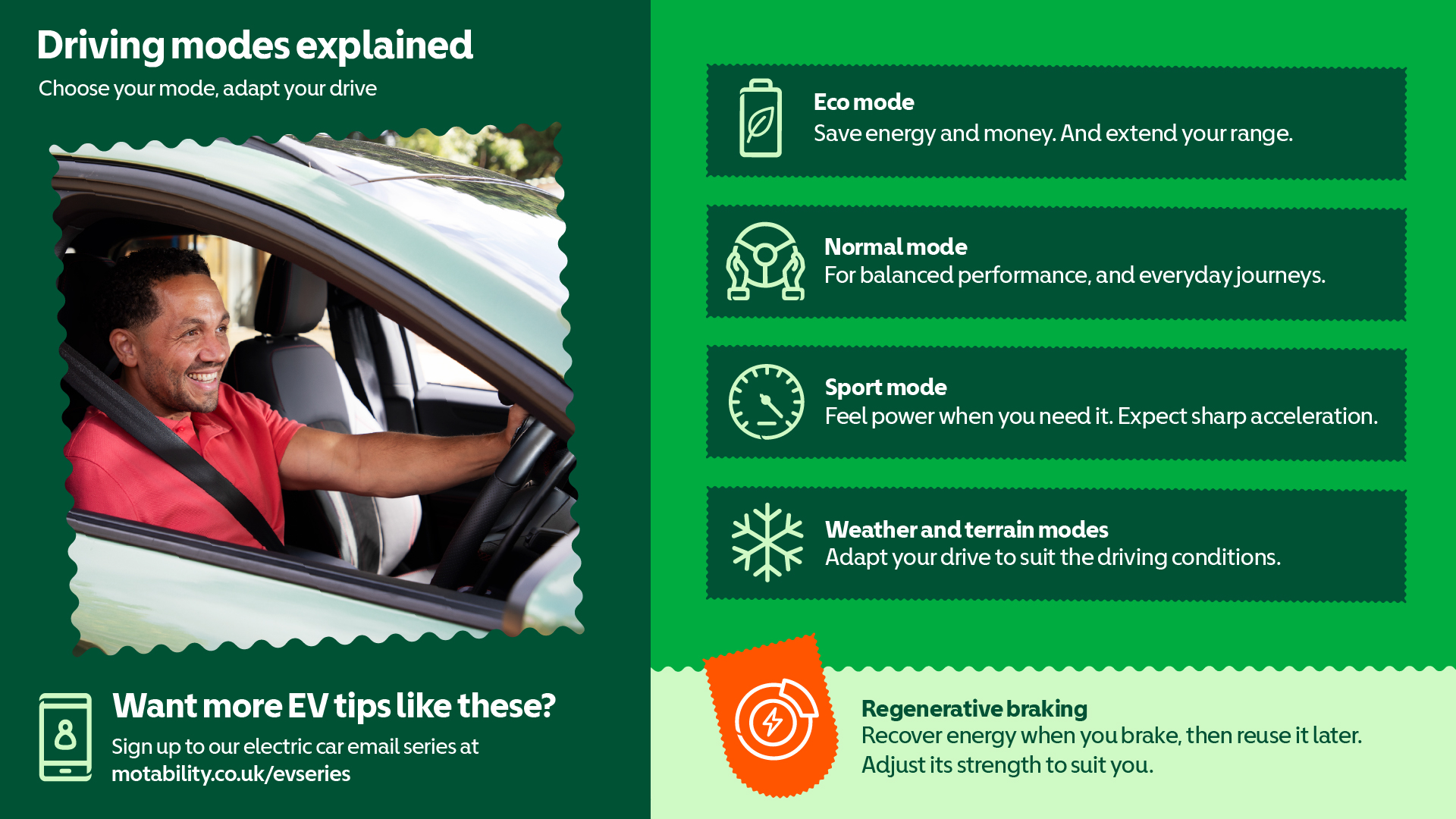
Now you’re more comfortable with EV modes, start exploring the modes your EV has to offer. Try them out, tailor them to suit each journey, and switch between them often.
Sign up to our electric car series to get started with EVs
It’s our exciting email series for anyone looking to learn more about electric cars. We’ll explain how they work and show you what life with one looks like. You’ll get one email each week for eight weeks.
Related articles
How to get the most from your car’s infotainment system
Tips for managing an EV breakdown
How EVs can improve your driving experience