You usually notice digital accessibility when something online gets in your way. A form will not submit. A button is hard to tap. A page is too cluttered to follow. A video has no captions when you need to watch it without sound.
Global Accessibility Awareness Day 2026 is about those moments. It helps more people think about how websites, apps, tools, and online content should work for everyone.
In 2026, it takes place on 21 May.
Digital accessibility matters because everyone should be able to find information, make choices, and complete everyday tasks online without unnecessary barriers.
That includes disabled people. It also includes anyone who is tired, distracted, stressed, recovering from an injury, holding a child, using one hand, or trying to get something done quickly.
Disability is not always permanent. Sometimes it is temporary. Sometimes it depends on the situation you are in.
Key takeaways
- Global Accessibility Awareness Day celebrates digital accessibility
- This means everyone can use a tool, website or app, because of how it’s built
- Content should be easy to see, hear, understand, and use
- We make our website, tools, and apps as accessible as we can
- Digital accessibility is always evolving
Digital accessibility means designing websites, apps, and tools so people can use them in different ways.
You might need to:
- Use a keyboard instead of a mouse
- Listen to a page with a screen reader
- Read text with clear colour contrast
- Watch a video with captions
- Follow simple language and clear steps
A well-designed digital experience should help you navigate without having to work out what to do next.
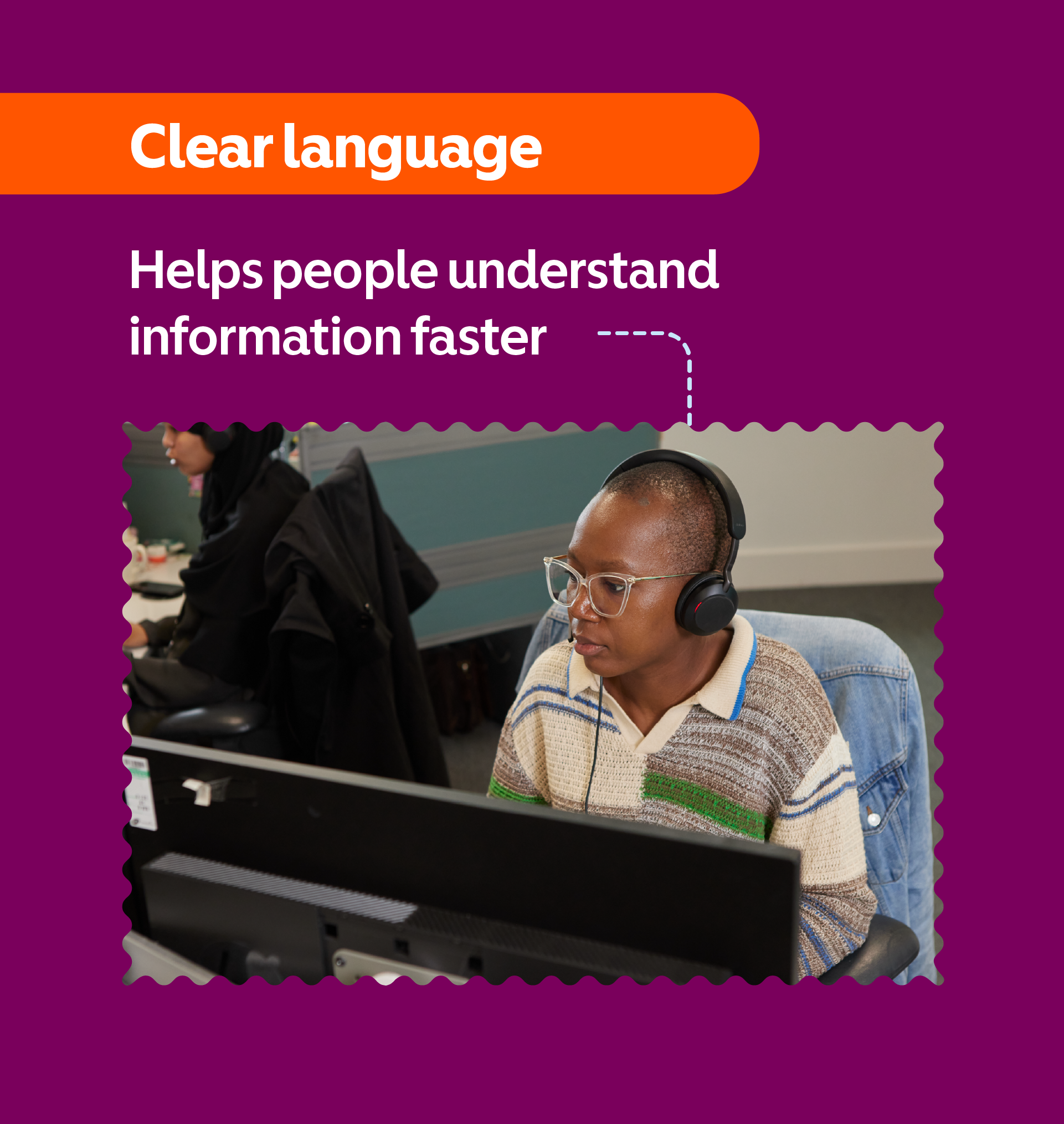
Some accessibility needs are specific. Someone with limited dexterity might rely on keyboard navigation. Someone with colour blindness might struggle if a page uses only red and green to show success or failure. Someone with a visual impairment might use a screen reader.
But a clear, easy-to-use website helps almost everyone.
Plain language helps if you have dyslexia, a cognitive condition, or English is not your first language. It also helps when you are tired, under pressure, or trying to understand something important quickly.
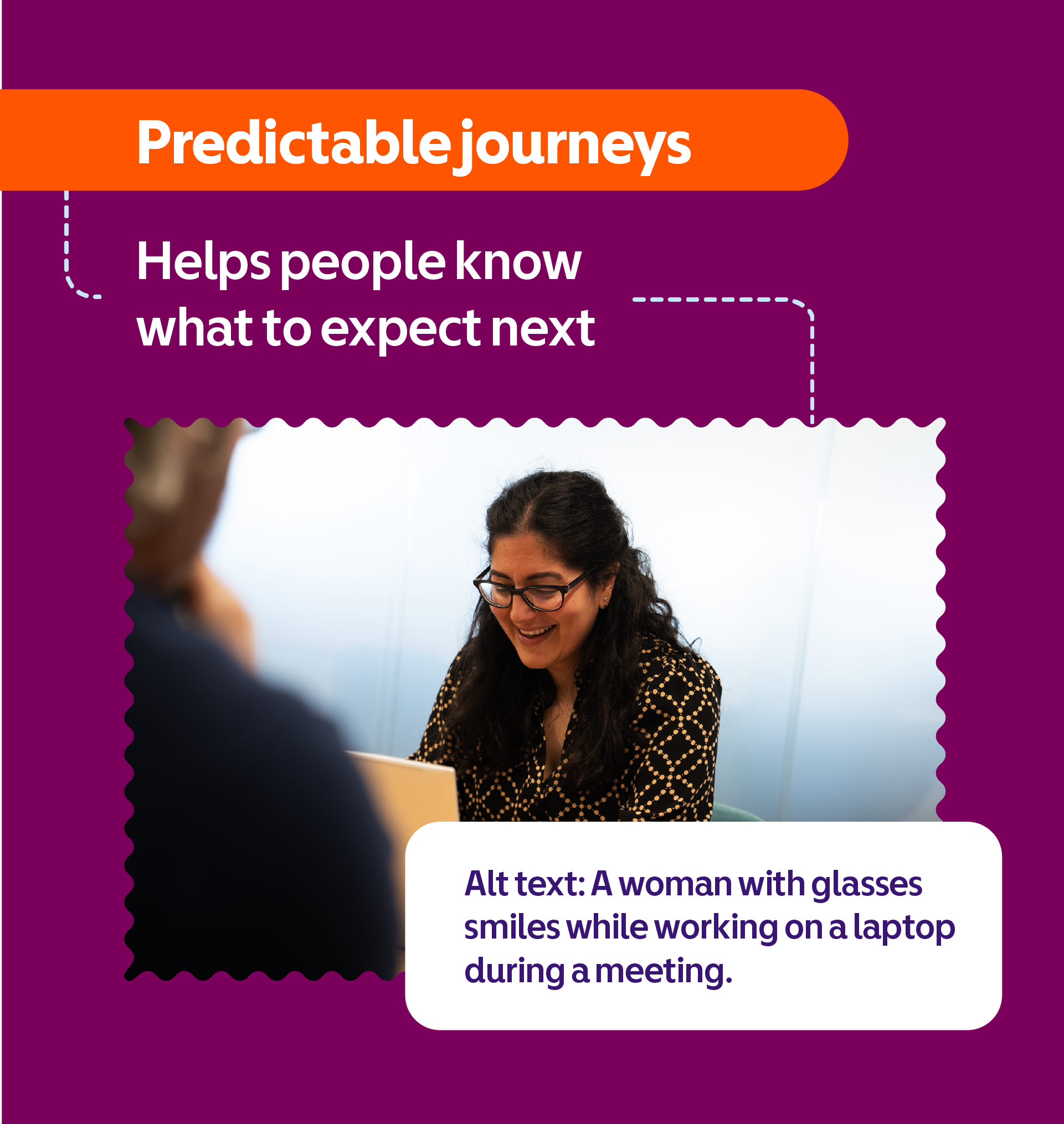
Clear layouts help you scan a page. Alt text helps describe images to people using screen readers. Captions help when you cannot use sound. Properly labelled links let you know where you are going before you click.
Accessibility works best when it’s built in from the start.
The Web Content Accessibility Guidelines, often called WCAG, give guidance for making web content more accessible.
One useful way to understand accessibility is through four principles known as POUR.
-
Perceivable
People access information in different ways. That could mean captions on videos, image descriptions, strong colour contrast, or text that can be resized.
-
Operable
Not everyone uses a mouse. Some people move through websites using only a keyboard or assistive technology.
-
Understandable
If content feels confusing, repetitive, or cluttered, most people will struggle with it.
That is why accessibility is not only about technical standards.
Long pages, unclear journeys, repeated information, unexpected links, and complicated language can all make a website harder to use, even if it technically meets accessibility guidelines.
Good accessibility should help people find what they need quickly, understand what to do next, and complete tasks without frustration.
-
Robust
Websites and tools should continue working properly across different devices, browsers, and assistive technologies.
Digital accessibility is not something organisations finish once and never revisit.
Needs change. Technology changes. Even small things can affect how easy a website is to use.
A journey that feels straightforward to one person may feel confusing or overwhelming to someone else.
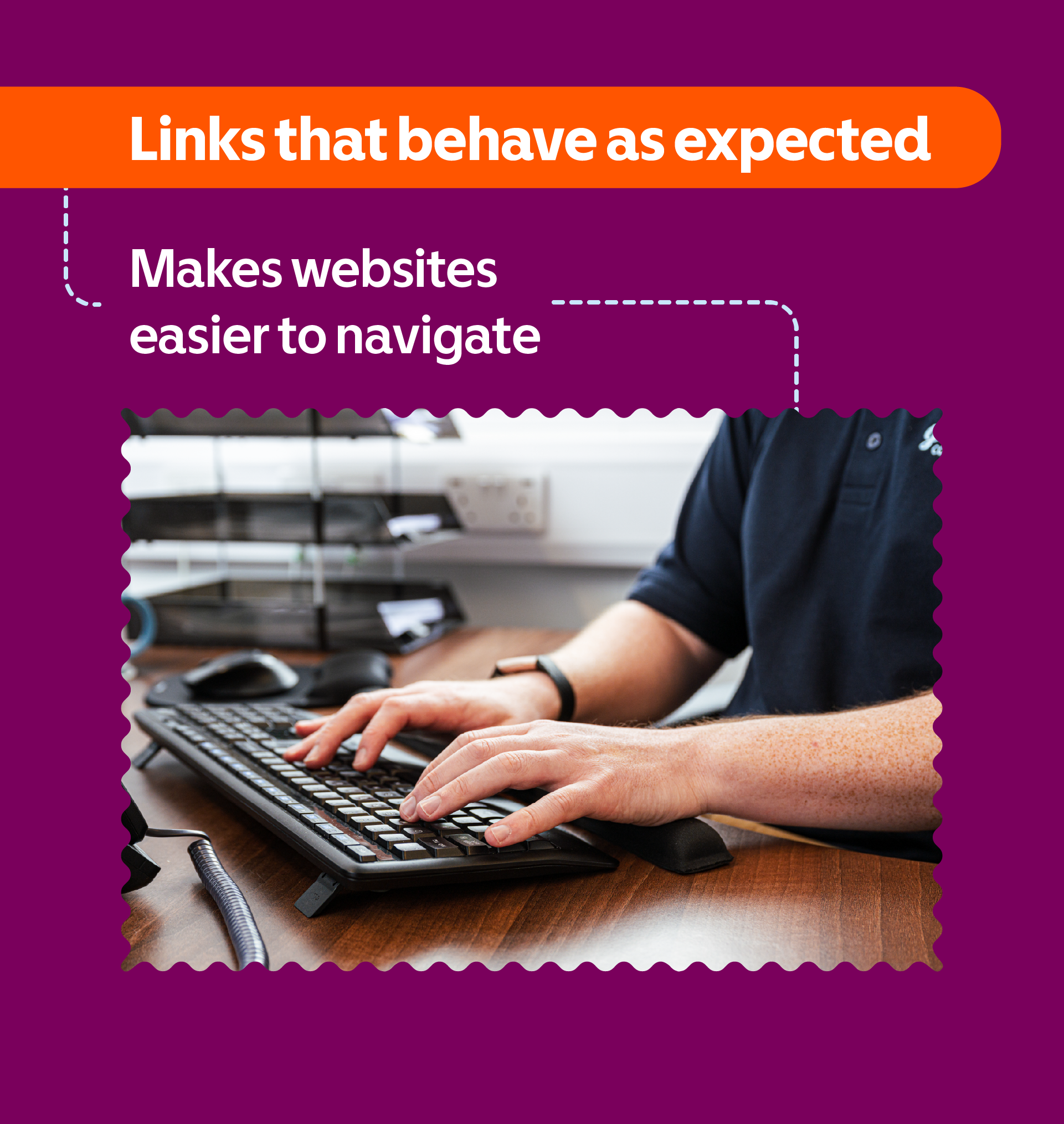
Long pages, repeated information, unclear navigation, or links that do not go where people expect can all create unnecessary friction online.
At the Motability Scheme, we understand the importance of digital accessibility. We’re continuing to review our websites and apps, and we’re putting a strategy in place to help prioritise accessibility improvements over time.
You can read our accessibility statement here: https://www.motability.co.uk/utilities/accessibility
Please also report any accessibility problems you experience on our site.
Accessibility is not only digital.
You can also find out more about how vehicles on the Motability Scheme can be made more accessible and easier to use in everyday life.
Read more about accessible vehicles and support on the Scheme: https://www.motability.co.uk/whats-available/adaptations.
You can also explore our vehicle accessibility article.
Global Accessibility Awareness Day 2026 puts accessibility in the spotlight. But it matters every day.
It matters when you are reading important information, choosing a vehicle, using an app, filling in a form, or looking for support.
When websites and tools are easier to use, more people can do everyday things independently and with less frustration.
Common questions about Global Accessibility Awareness Day 2026
What is Global Accessibility Awareness Day 2026?
It is an international awareness day focused on digital accessibility and inclusion. In 2026, it takes place on 21 May.
What is digital accessibility?
Digital accessibility means websites, apps, tools, and online content are designed so more people can use them.
Explore our latest, accessible EV tools
Try our tools to see if an electric vehicle (EV) could work for you.