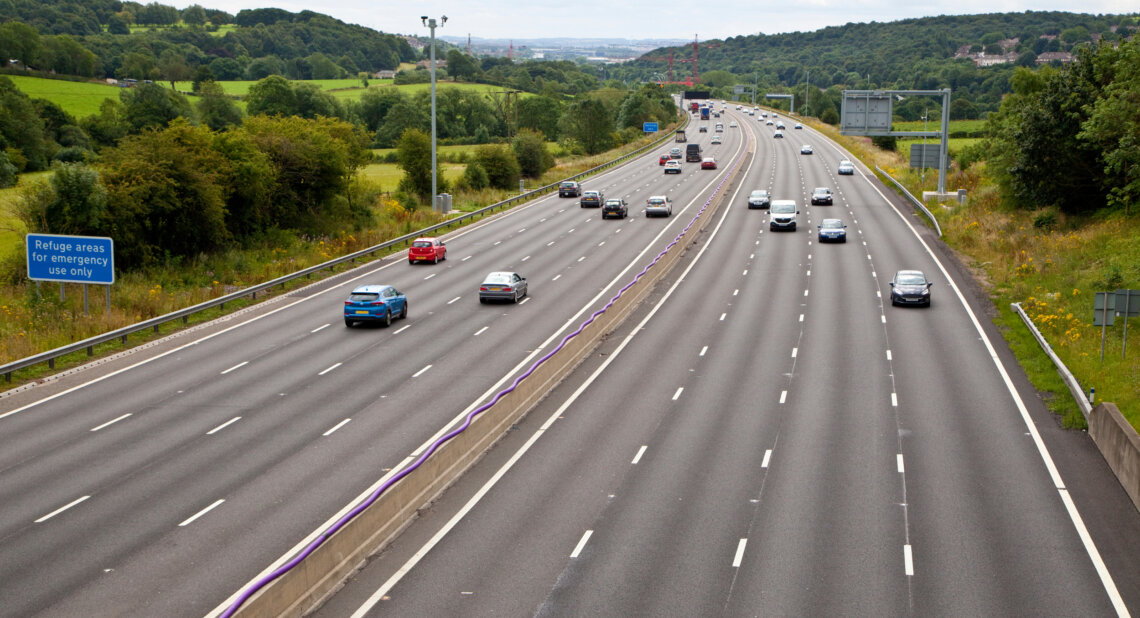
Smart motorways are becoming more common across the UK. They are designed to ease congestion by using technology to manage traffic flow. But if your vehicle develops a fault or you break down, they can feel daunting.
With help from the RAC, our guide will help give you peace of mind.
- What to do if you break down
- Preventing breakdowns before they happen
- Safety kit worth keeping in your car
- Extra tips for WAV customers
- Keeping safe on smart motorways
If you notice a problem with your vehicle, the safest option is always to leave the motorway as soon as possible. If that is not possible, the RAC advises you to follow these steps:
- Where you can, move into the left-hand lane
- Drive to the nearest Emergency Refuge Area (ERA). These are usually spaced every one and a quarter to one and a half miles (about two to two and a half kilometres)
- Pull in and stop as far left as possible, leaving room to exit the car safely
- Switch on your hazard warning lights. If it is dark or visibility is poor, turn on your sidelights too
- Use the free emergency telephone in the ERA, or call National Highways on 0300 123 5000 from your mobile. They will give you advice and arrange help by putting in protective measures straight away like closing lanes
- Report your breakdown to the RAC. The quickest way for Scheme customers to report a breakdown is via the myRAC app
- When waiting, stay well away from your vehicle and moving traffic, ideally behind a safety barrier if there is one
If you cannot reach an ERA, try to move onto the verge if there is no barrier and it is safe to do so. If it is not possible to get to the nearside lane or exit your vehicle safely, then you should stay in your vehicle with your seat belt on and dial ‘999’ if you have access to a mobile phone. Alternatively, press your SOS button if your vehicle has one and ask for the police.
Always exit your vehicle by the left-hand door, if it is safe.
When highways staff become aware of an incident, they will close the lane by showing a red cross on the overhead gantry signs.
The best way to stay safe is to reduce the risk of a potential breakdown. A few simple checks can make all the difference:
- Keep up with servicing: Follow the manufacturer’s recommended service schedule. Remember, servicing is included as part of your all-inclusive package on the Scheme.
- Check fluid levels: Brake fluid, transmission, coolant and power steering fluid should all be topped up
- Pay attention to warning lights: Never ignore dashboard alerts. They are designed to warn you before problems become serious
- Look after your tyres: Keep them inflated to the right pressure and replace them if tread is worn
- Drive smoothly: Avoid hard braking and rapid acceleration, which put strain on your vehicle
- Always plan fuel or charge stops: Make sure you have enough for your journey, particularly on long stretches without services
Listening to your car can help too. Unusual noises, vibrations or smells can often be early warning signs of trouble.
Being prepared is important. These items are highly recommended:
- A first aid kit
- A warning triangle
- A high-visibility vest
- A scraper and de-icer in winter
- Warm clothes and a blanket
- A torch with spare batteries
- A phone charger or power bank
- Water, snacks and any medicines you might need
These can make waiting for help safer and more comfortable. For more information, check out the RAC’s guide for essential items to pack in cold weather.
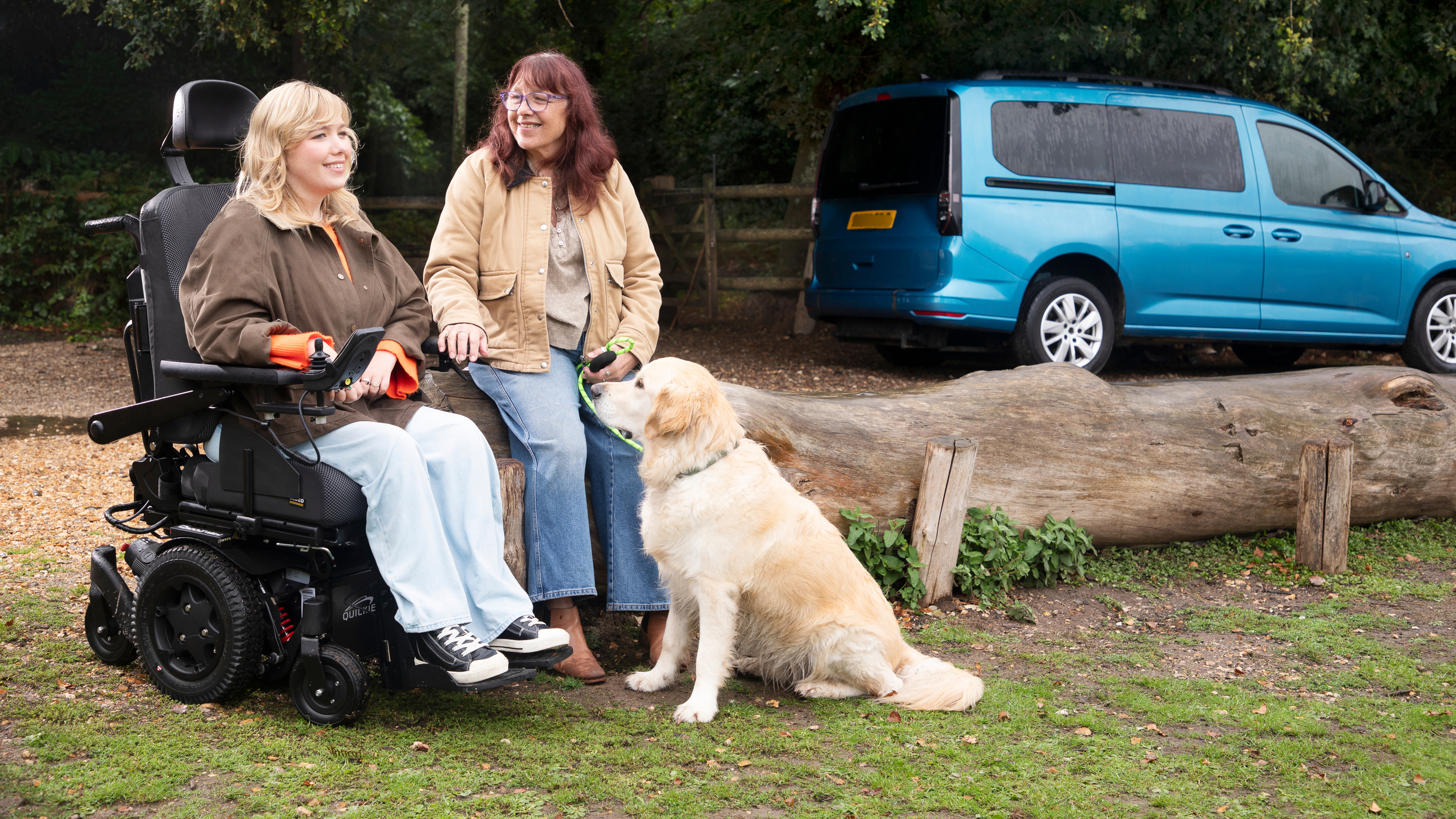
If you drive a Wheelchair Accessible Vehicle (WAV), a breakdown on a smart motorway can feel even more challenging. Here are some additional things to consider:
- Think about accessibility in an emergency: Some ERAs and roadside areas may be narrow. If it is not safe or practical to exit using your ramp or lift, stay in the vehicle and call 999 for the police
- Tell support services straight away: When you call National Highways or your breakdown provider, make sure you mention that you are in a WAV and may need extra space or time to exit safely. This helps them send the right assistance quickly
- Keep mobility equipment ready: If possible, keep essential mobility aids where you can reach them easily in case you need to leave the vehicle
- Plan longer journeys carefully: Just as with electric cars, it helps to map out your route and know where the ERAs and services are, especially if you will need accessible facilities
We work closely with the RAC, who are trained to support customers with WAVs. Always let them know your specific needs so they can give you the right help.
Smart motorways can feel unfamiliar, but knowing what to do makes a big difference. If your vehicle develops a fault, stay calm, follow the guidance above, and call for help. And with some simple checks before you set out, you can lower the chance of a breakdown happening at all.
Request more information about the Scheme
Find out how the Motability Scheme can help you stay mobile with breakdown cover, servicing and insurance included.
Request information today.
Featured image credit: Getty Images © Eyematrix
Related articles
Worried about how far an electric car will go? Our tool can help